Routines and Beautiful People
Slowing down in Armenia made room for an opera, home cooking, muddy trails, roadside picnics, and four unexpected friends.
An hour and a half into our marshrutka ride, the driver pulled over near the Armenian border and everyone climbed out. Where Turkey had its dolmuşes, Georgia had its marshrutkas: shared minibuses that supposedly followed a route and schedule, though both seemed open to interpretation. We carried our bags through immigration, received a slight glance at our passports, and climbed back aboard for Yerevan. Google Maps claimed the trip would take four and a half hours. Google Maps has clearly never experienced a marshrutka that's still holding onto a seemingly (and sounding-ly) 40-year old engine. There is no hyper-productive, hyper-efficent capitalistic transport mandate in the world of 40-year old marshrutka engines. So our expectations of making it to Yerevan in the daytime slowly withered away between experiencing our lightning-slow speed and the mysterious stops that come with shared transportation: sometimes to let passengers off and others for reasons understood by everyone except us. But, by fortnite, we arrived.
Fortunately, Armenia continued one of Georgia’s better traditions: affordable transportation. Yandex, the Russian version of Uber that seems to have spread across every former Soviet country, quickly became our savior. Most mornings in Yerevan began with a thirty-minute-to-one-hour walk from our guesthouse toward the center of the city, usually routed around whatever we had decided to eat first. This was how we planned many of our days. Pick a restaurant, see which neighborhood it was in, and let our stomachs determine the general direction from there.
The meals changed, but the cuisine was familiar: lahmacun, manti, dolma, tolma, kofte, and Armenian barbecue called xorovats. We gradually realized that Armenian food did not feel entirely separate from what we had already eaten across Turkey and the Caucasus. The borders may have changed, but many of the dishes had traveled easily between them. We were not complaining. Familiar food was still very good food, and planning an entire day around lunch has never been a challenge.
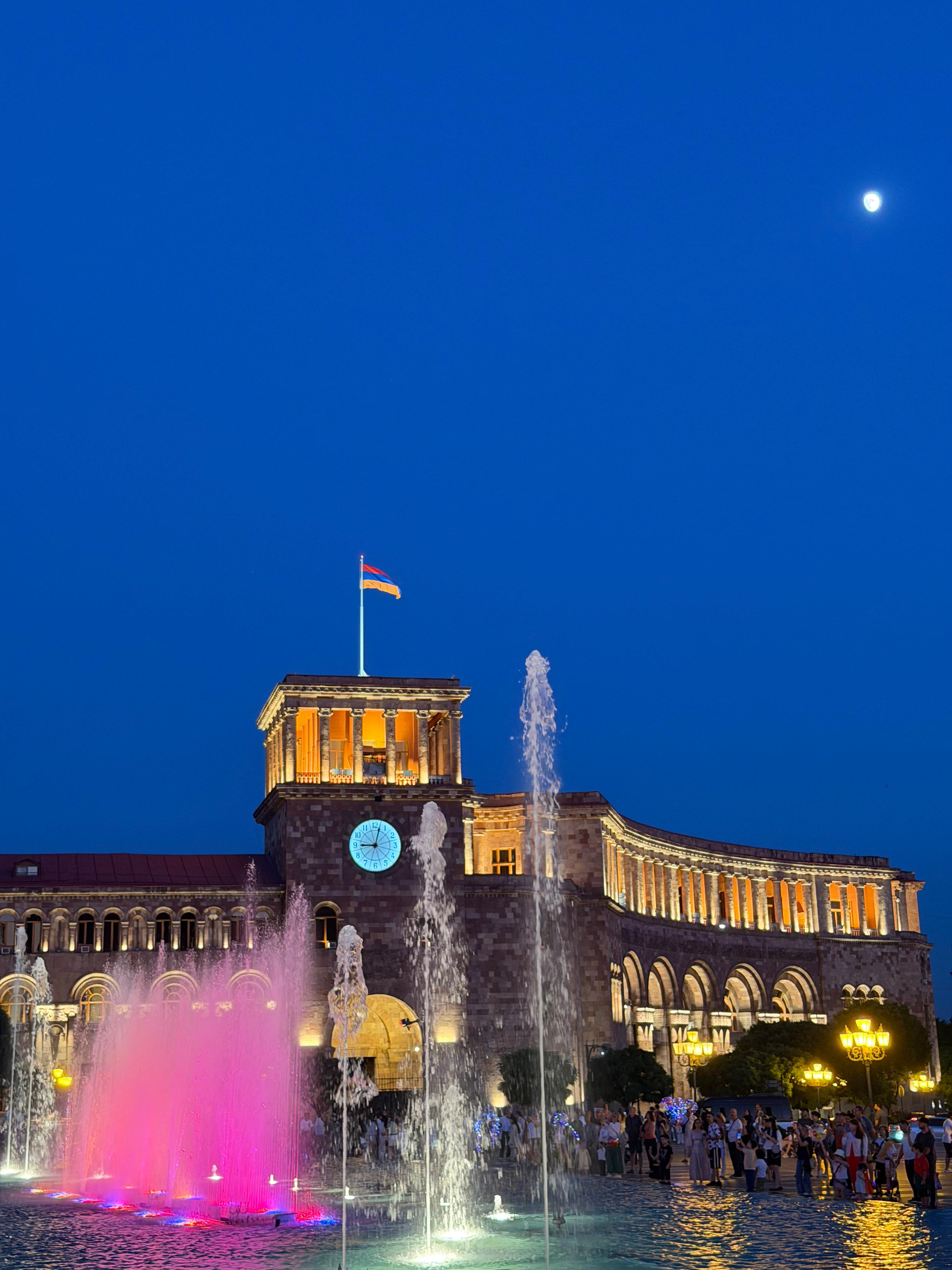
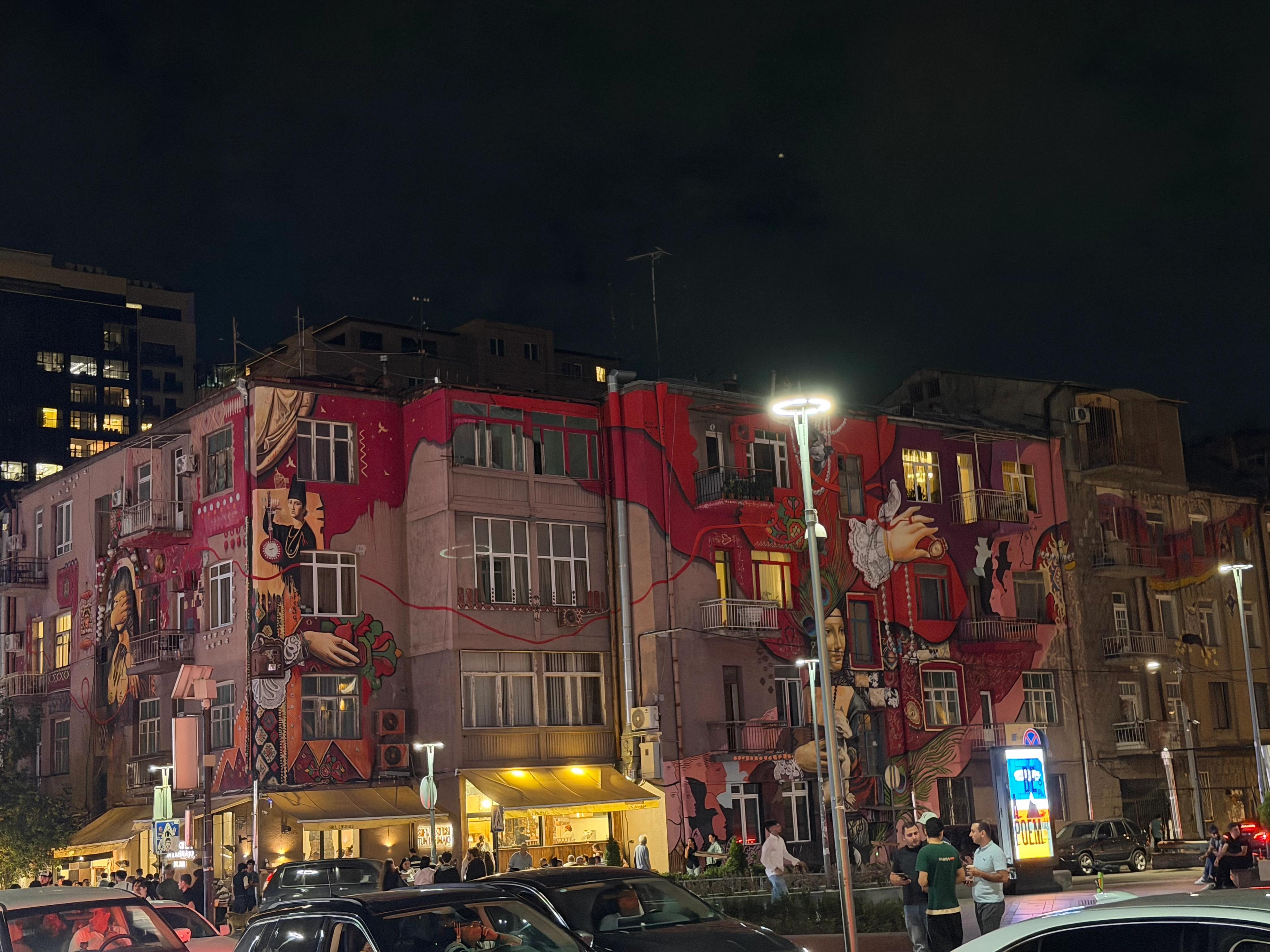
Between meals, we walked through a city that repeatedly surprised us with how polished it felt. Stores, restaurants, cafés, and even ordinary buildings appeared almost showroom-ready. Trees and greenery lined street after street.

Murals and Soviet-inspired artwork appeared between immaculate storefronts, while nearly every neighborhood seemed to have its own park. Those parks rarely emptied. Even at eleven at night, when we were making our way back to the guesthouse, children were still running around while parents and friends sat together nearby.

There was nothing to celebrate, no holiday or specific event to bring people together. It was an ordinary Tuesday night, yet entire families seemed perfectly content to remain outside together until well past midnight. No one appeared to be watching the clock or hurrying the children home, no work-scaries for these families. Just community.
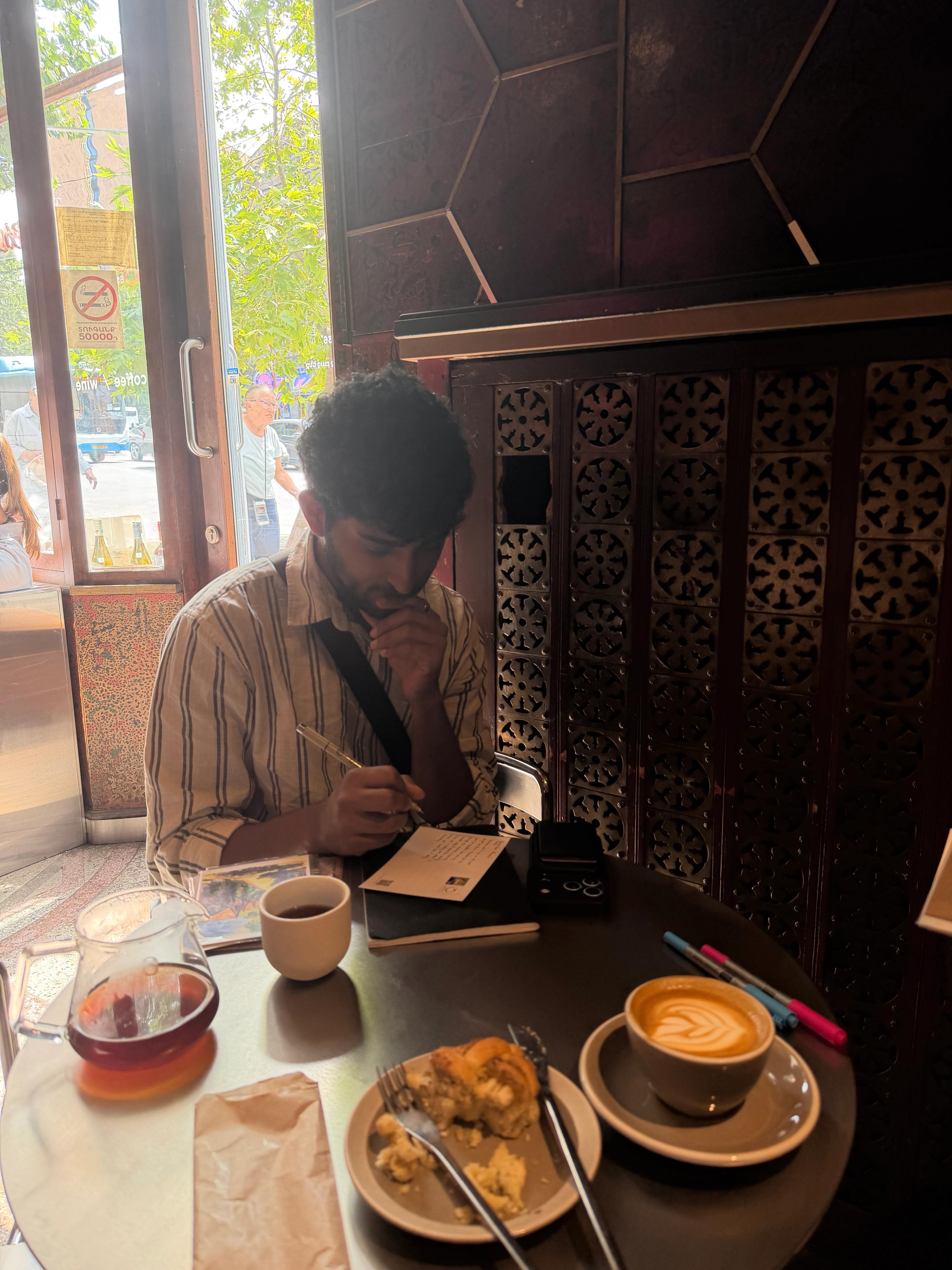
When I think back on the city, the memory I cherish most is not a meal or one of the amazing V60 coffees I became obsessed with. It was the opera. Which, unsurprisingly, was Amanda’s idea to go to. We bought tickets early in the day, and spent the hours before the performance wandering around Yerevan.
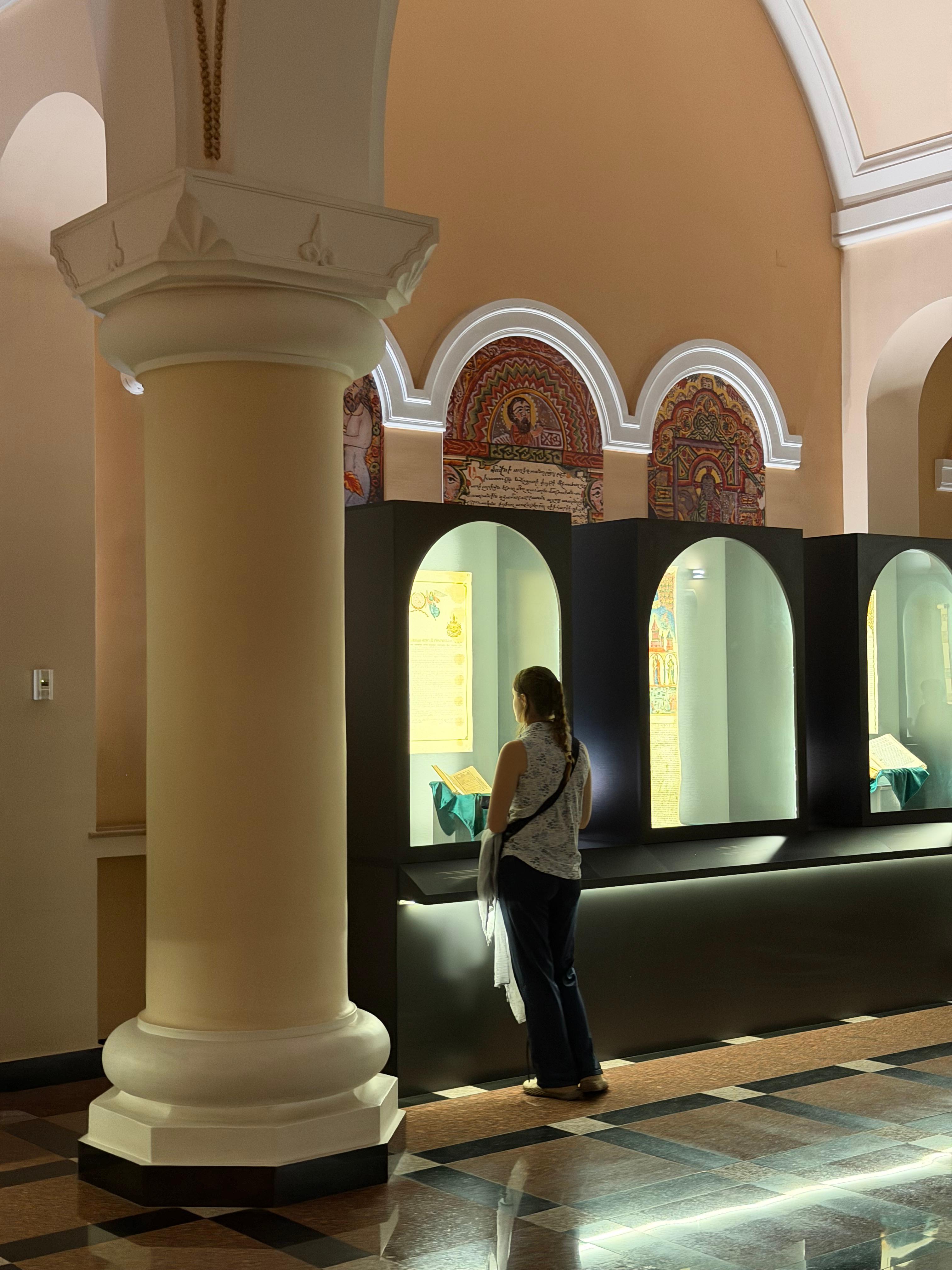
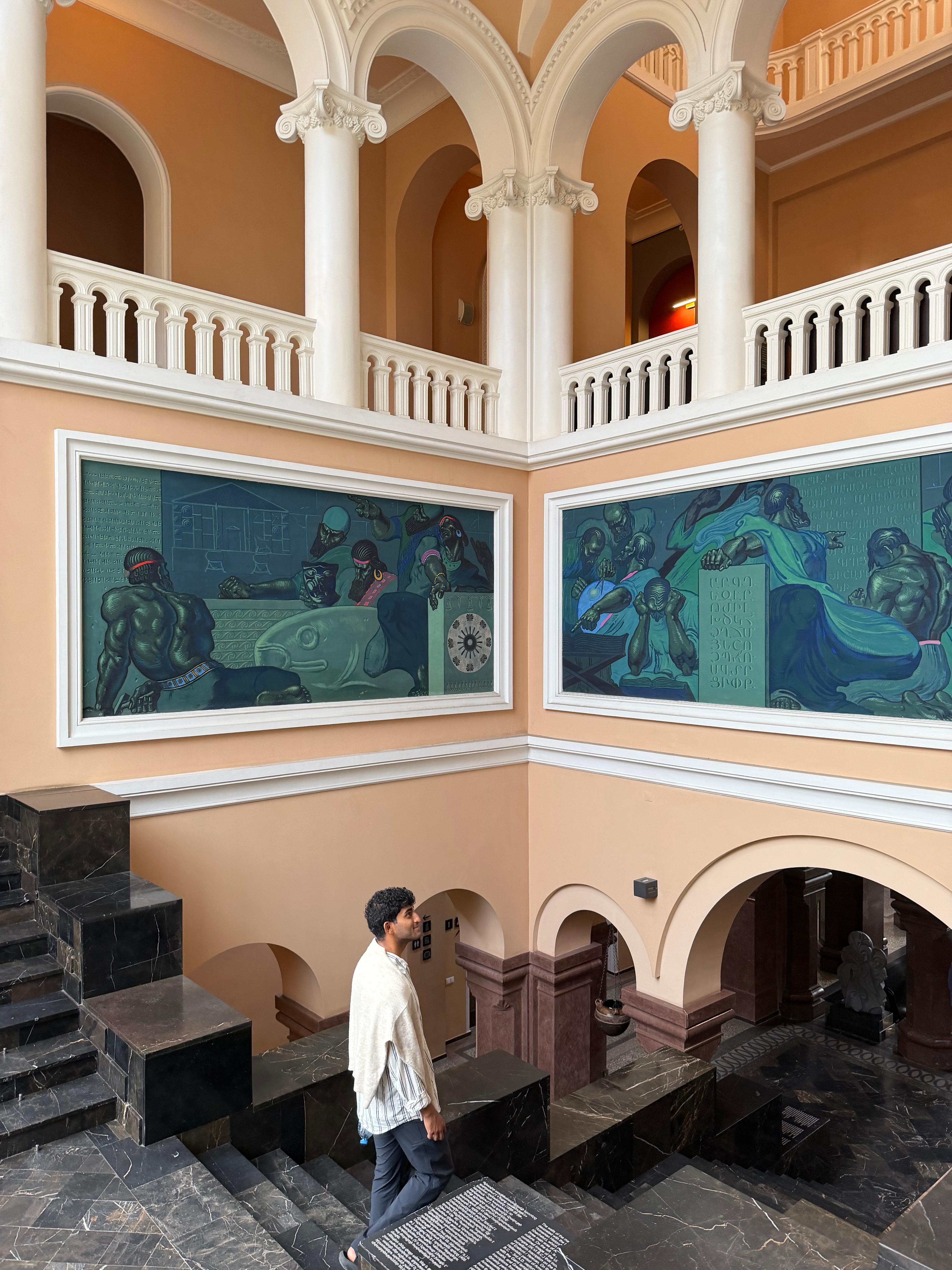
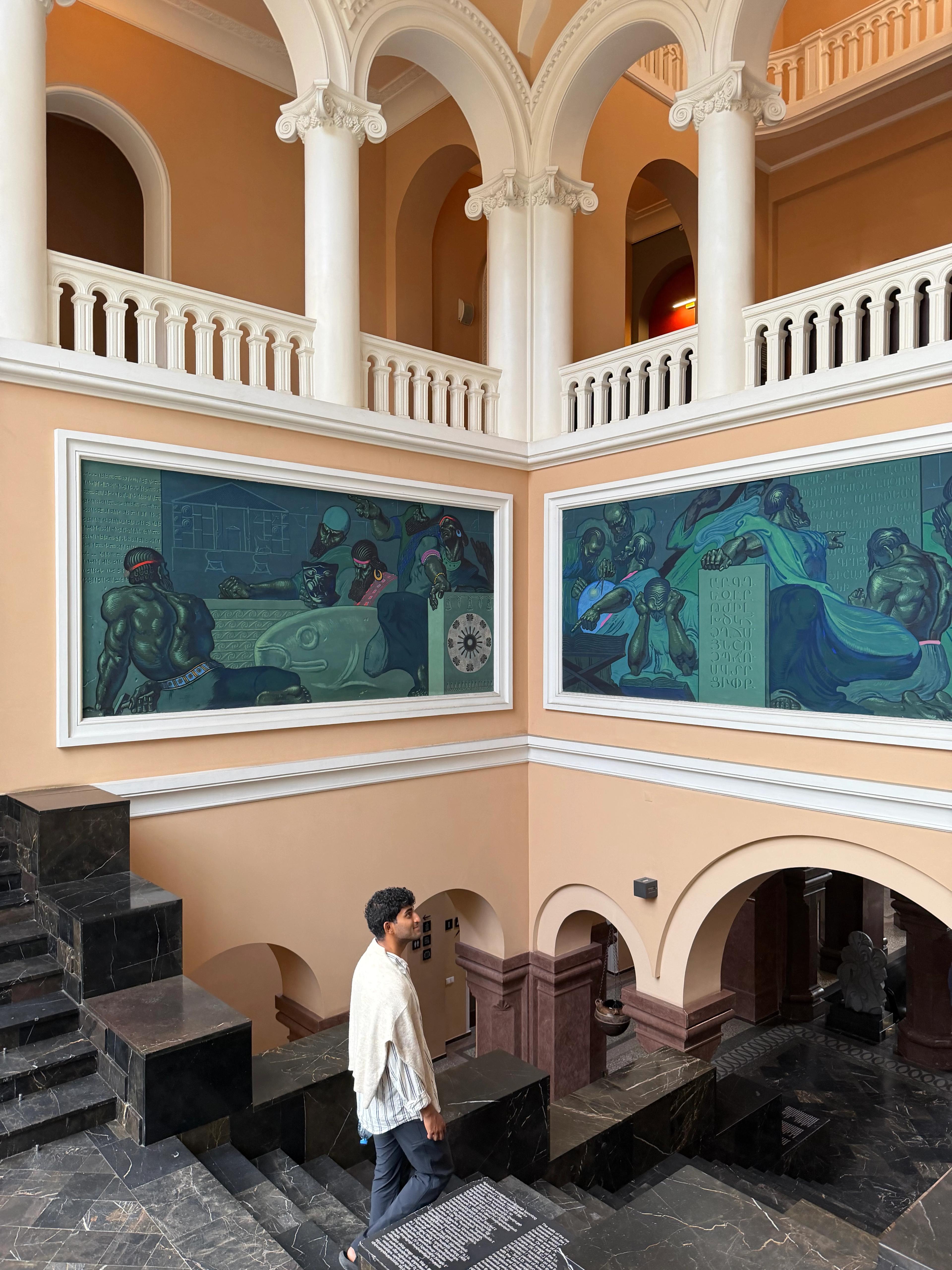
We moved slowly through a cultural museum, as if we were two older asian men walking through a park, climbed to the city viewpoint, and allowed interesting shops to pull us from one street to another.


Eventually, it was time to take our seats. I have never considered myself much of an “arts” person, which may simply be a kinder way of saying I had been too boring to think of attending an opera. But sitting beside Amanda that evening, I was completely absorbed. The acting, choreography, and orchestra held my attention in a way that very few things in this world manage to do.
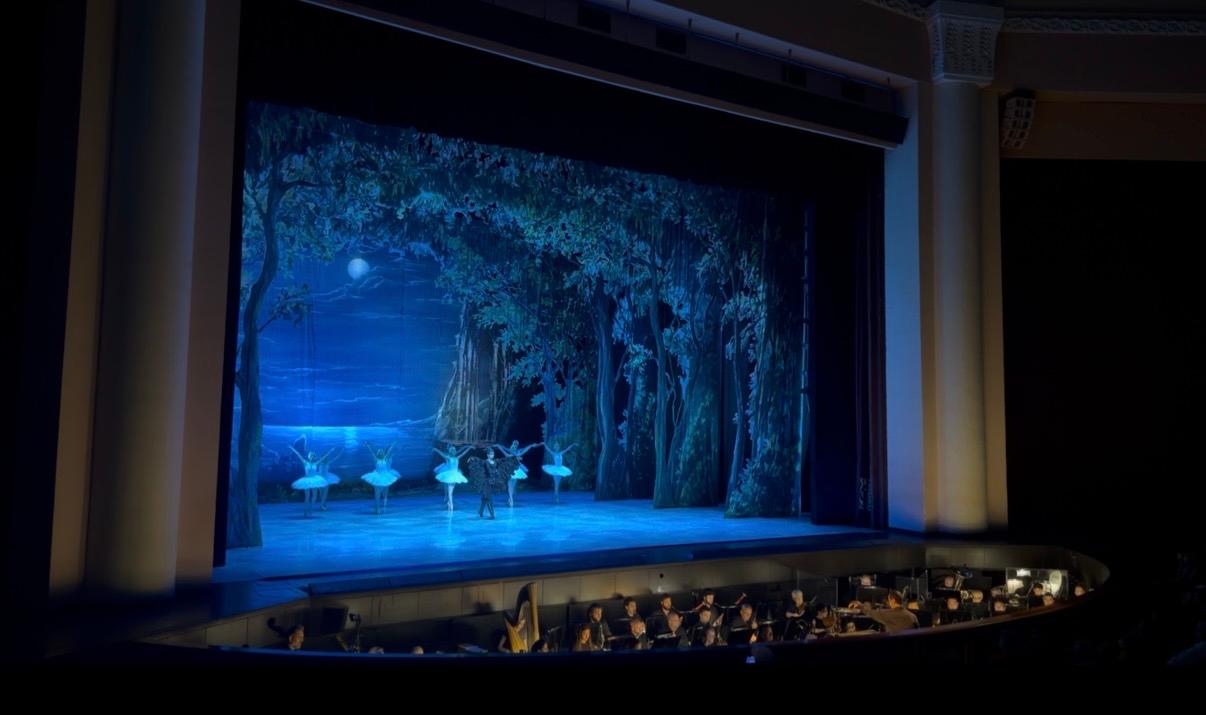
It felt like watching a masterpiece of art. Then, at the end of the performance, the lead actor proposed. It was already special for us to share in a new experience together, and suddenly we were watching a new experience begin for someone else. It was a special way to cap off our first moments in Yerevan, in Armenia.
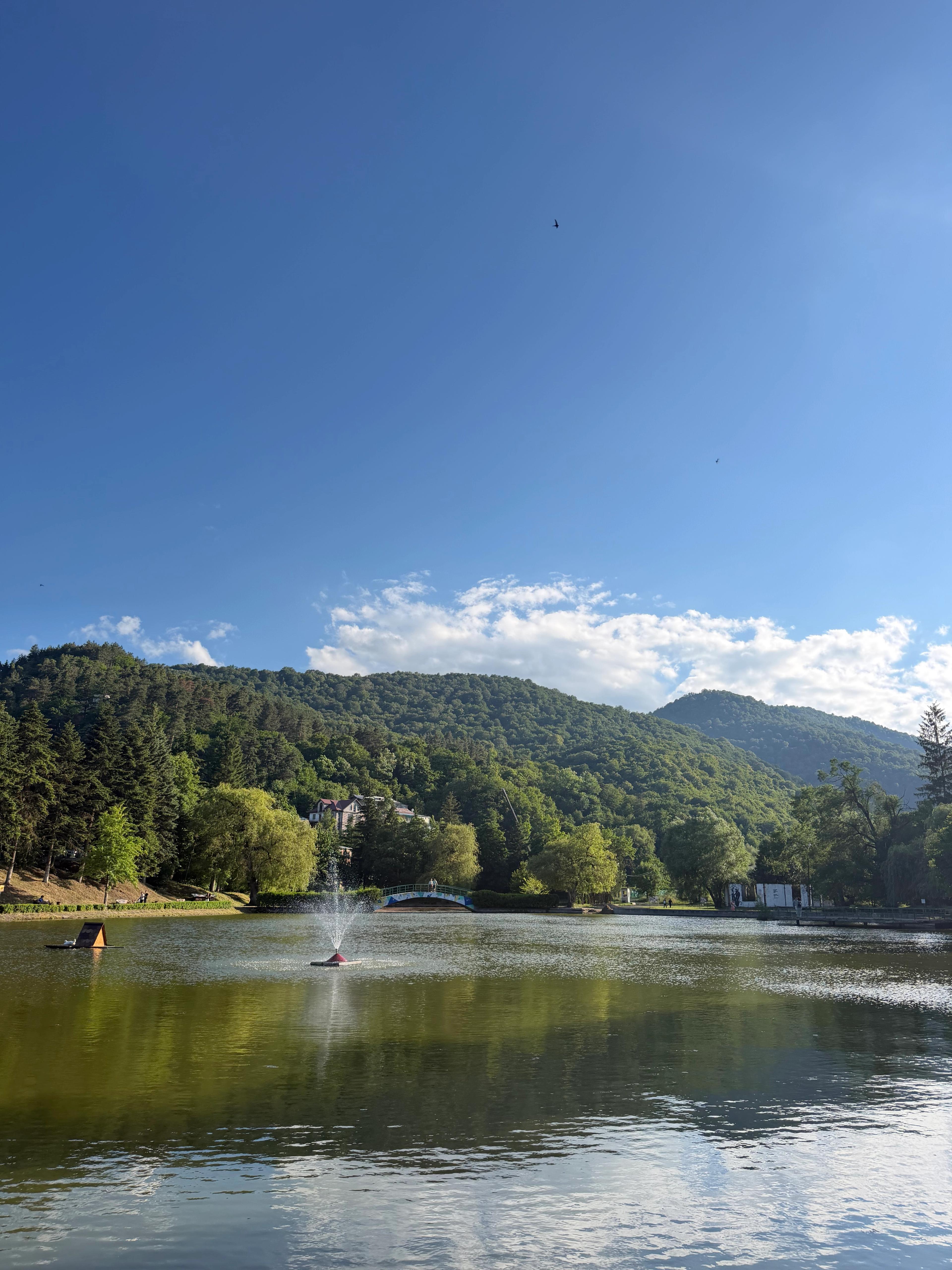
After Yerevan, we moved a few hours north to Dilijan, sometimes called the Switzerland of Armenia. It is known for its green mountains and natural beauty, most of which we admired from a distance during our first week there. We had entered a different period of our trip, one that was less about seeing how much we could fit into each day and more about remembering what it felt like to have a routine.

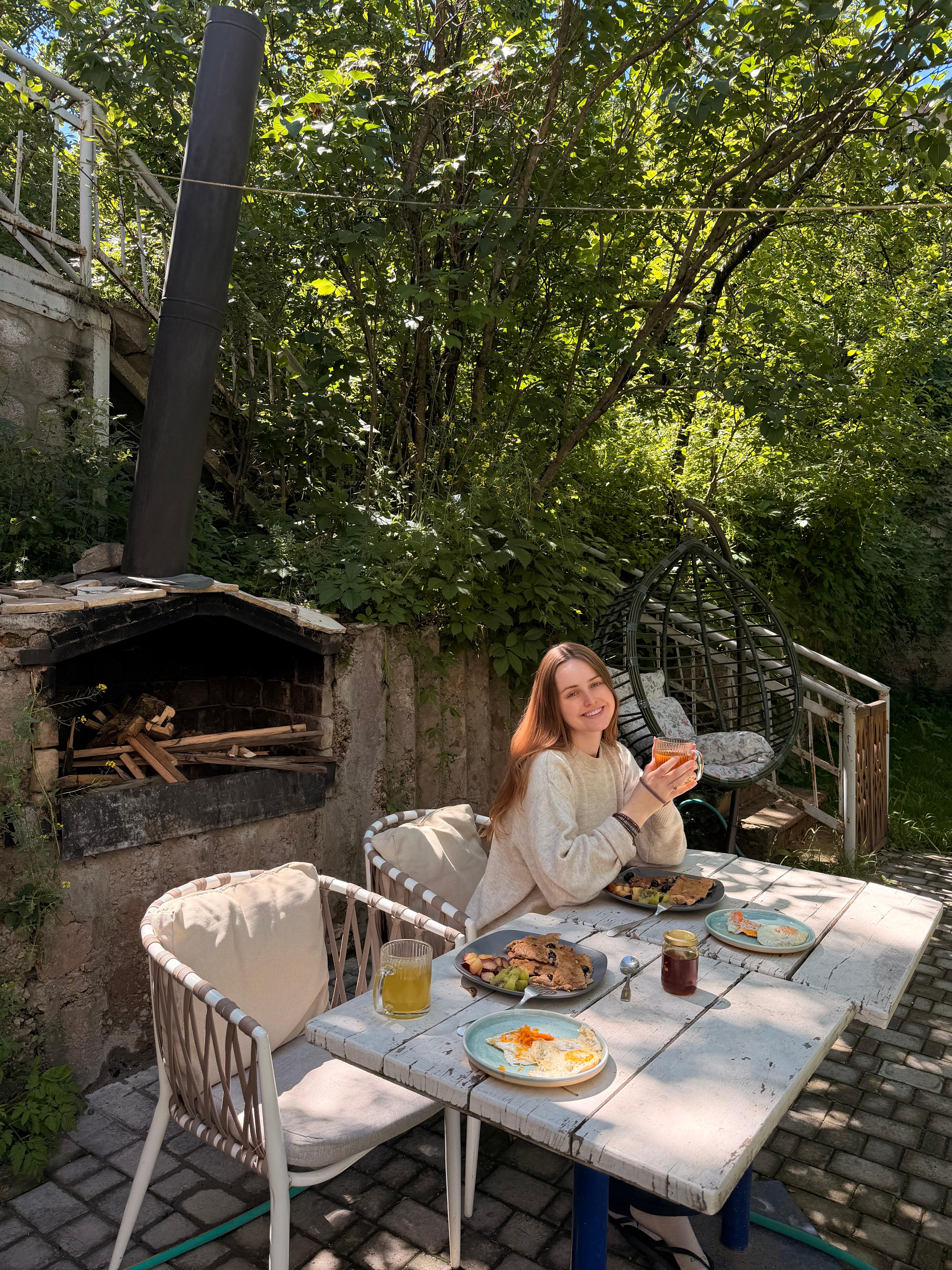
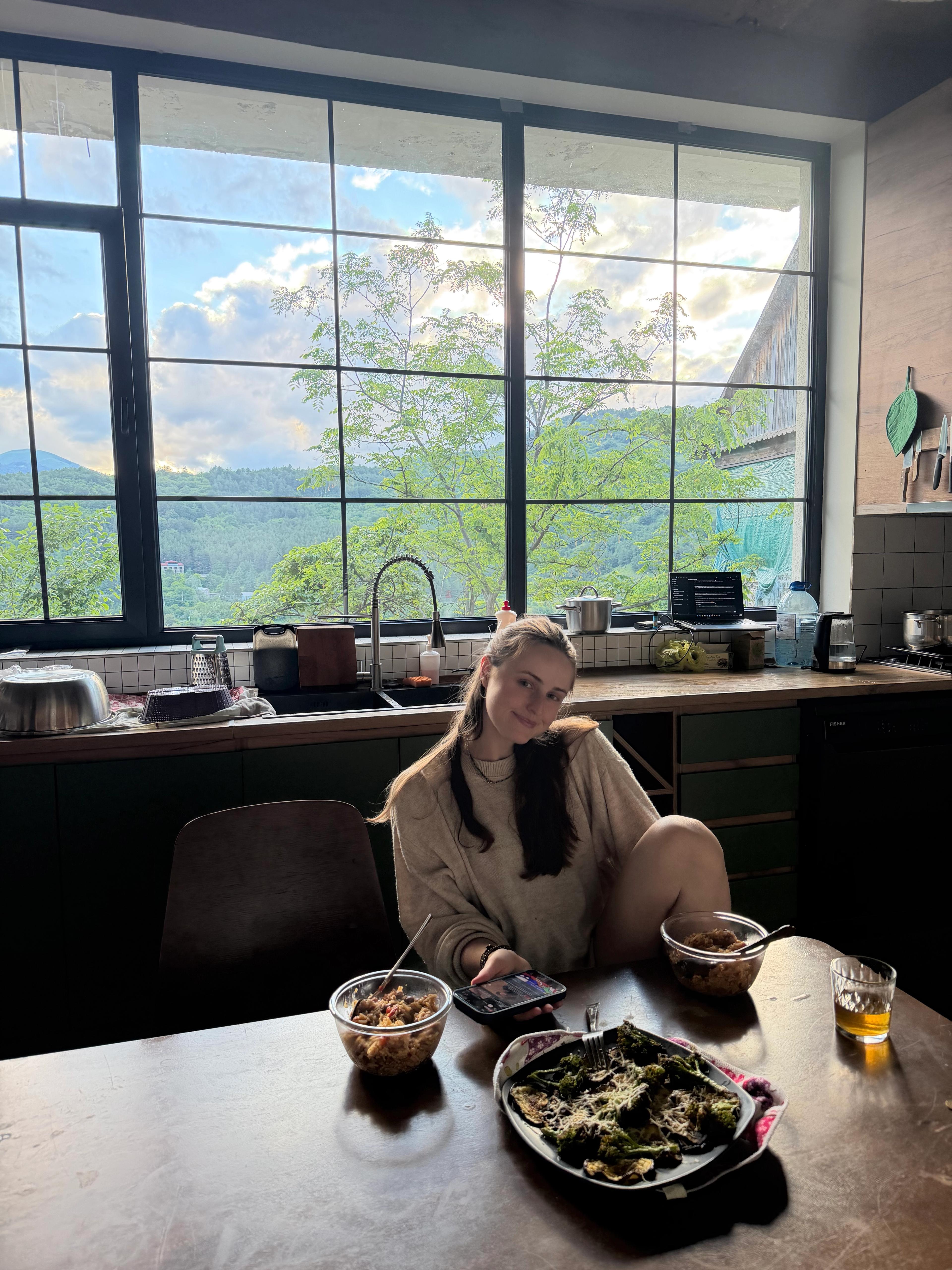
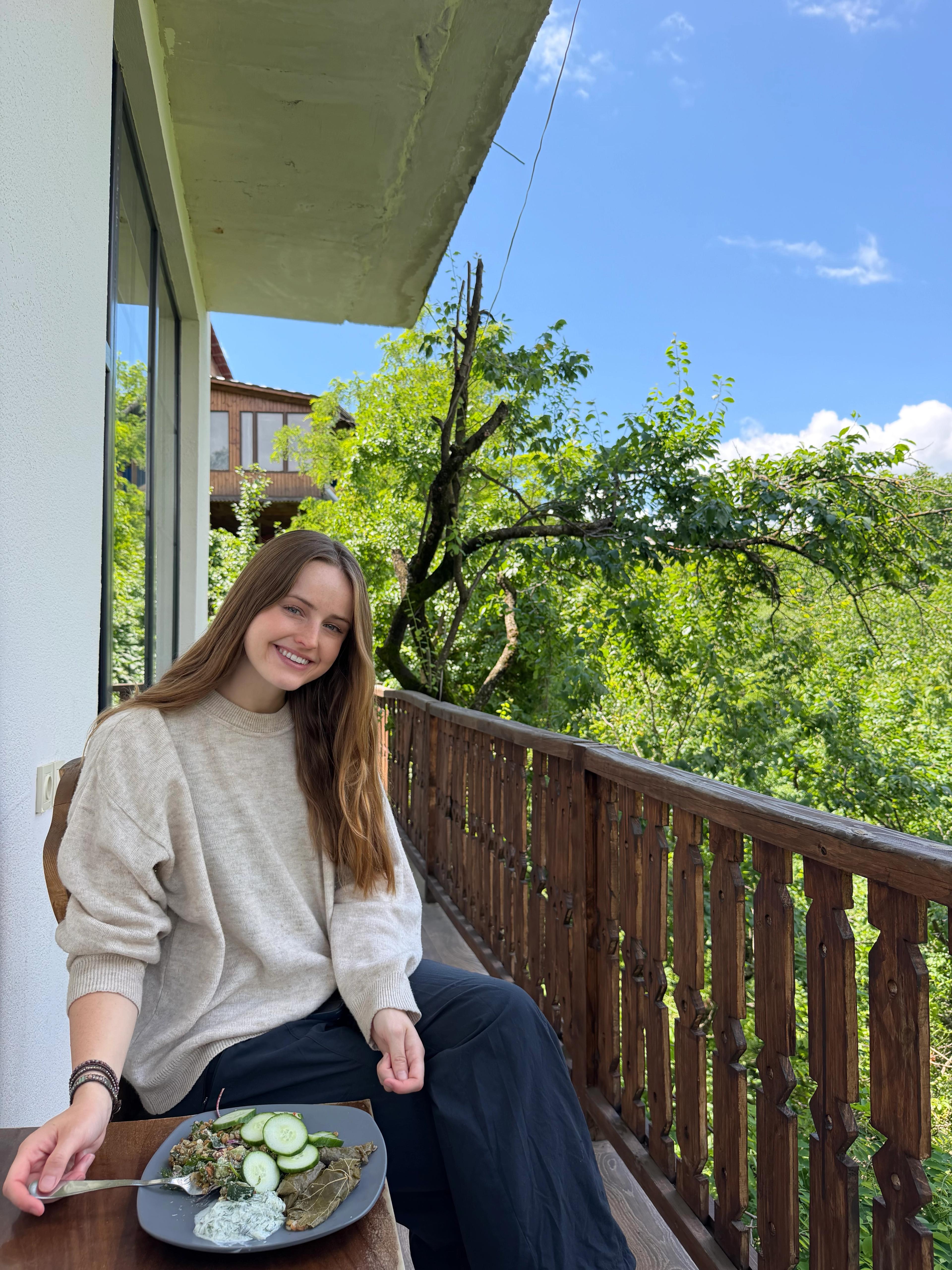
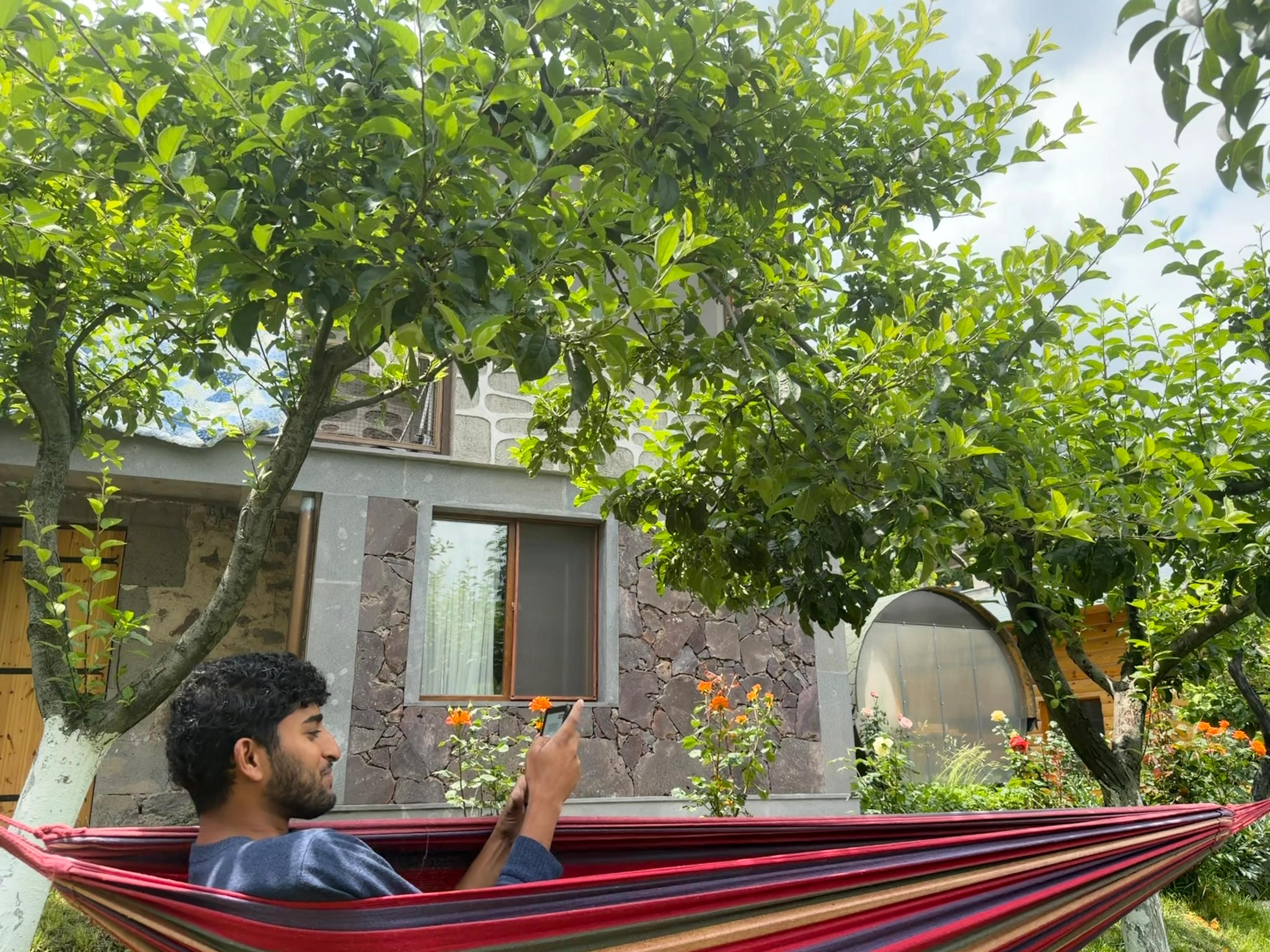
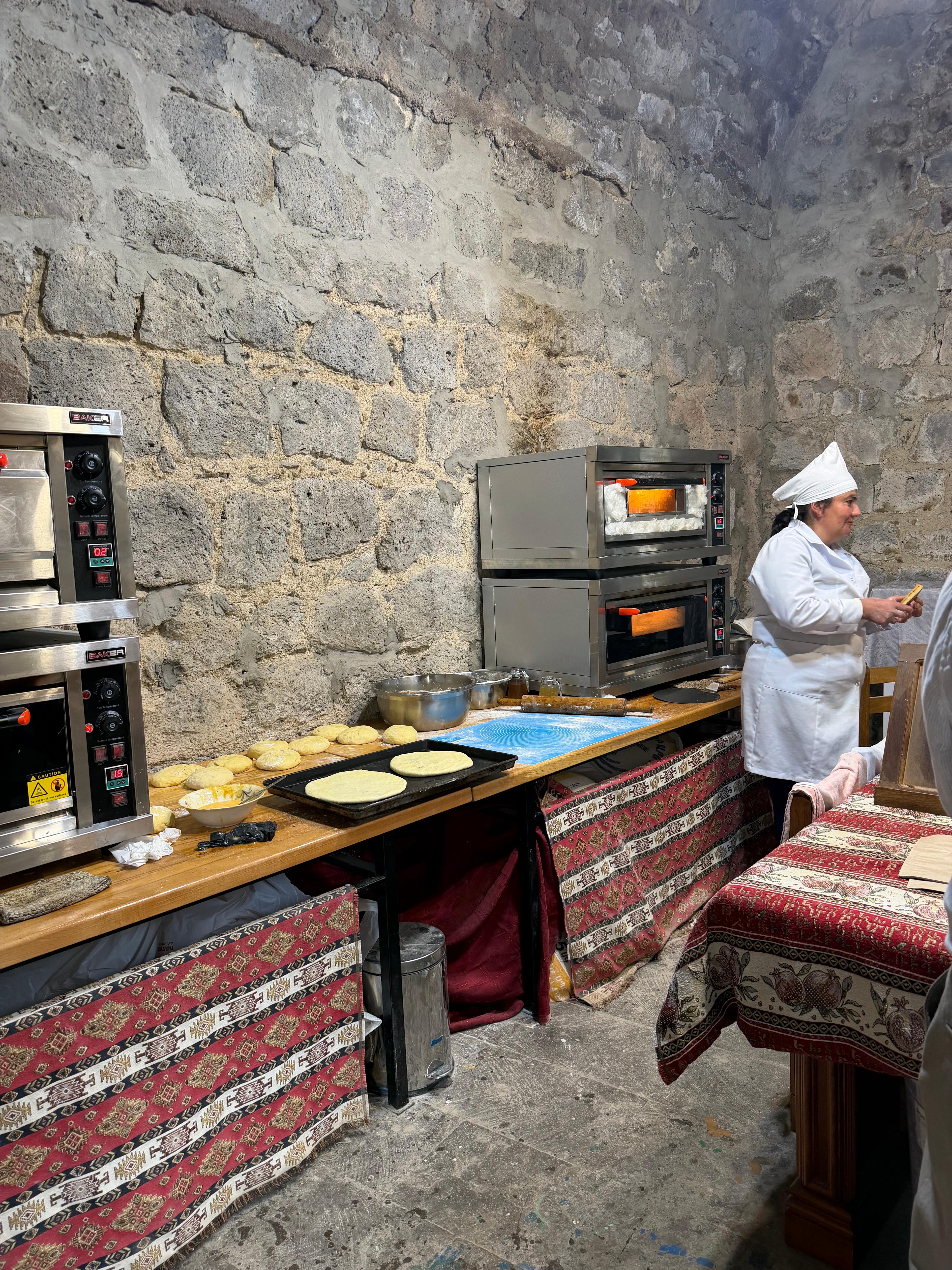
We traded restaurants away for some home-cooked meals, bottles of water from the market were replaced by glasses of freshly steeped tea, and twenty-thousand-step days became mornings of stretching, reading, writing, journaling, and returning to hobbies that had been pushed aside by months of constant movement.
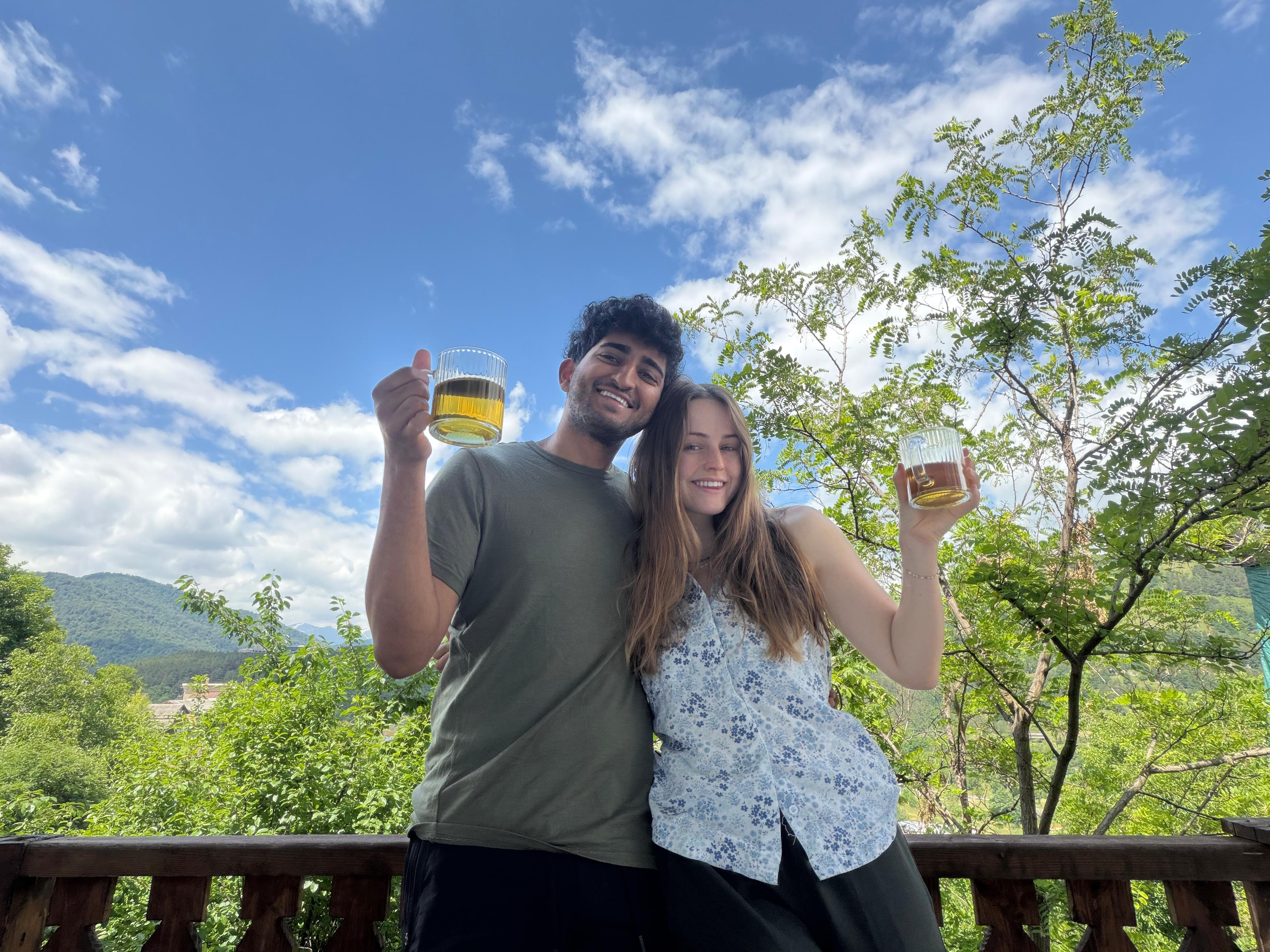

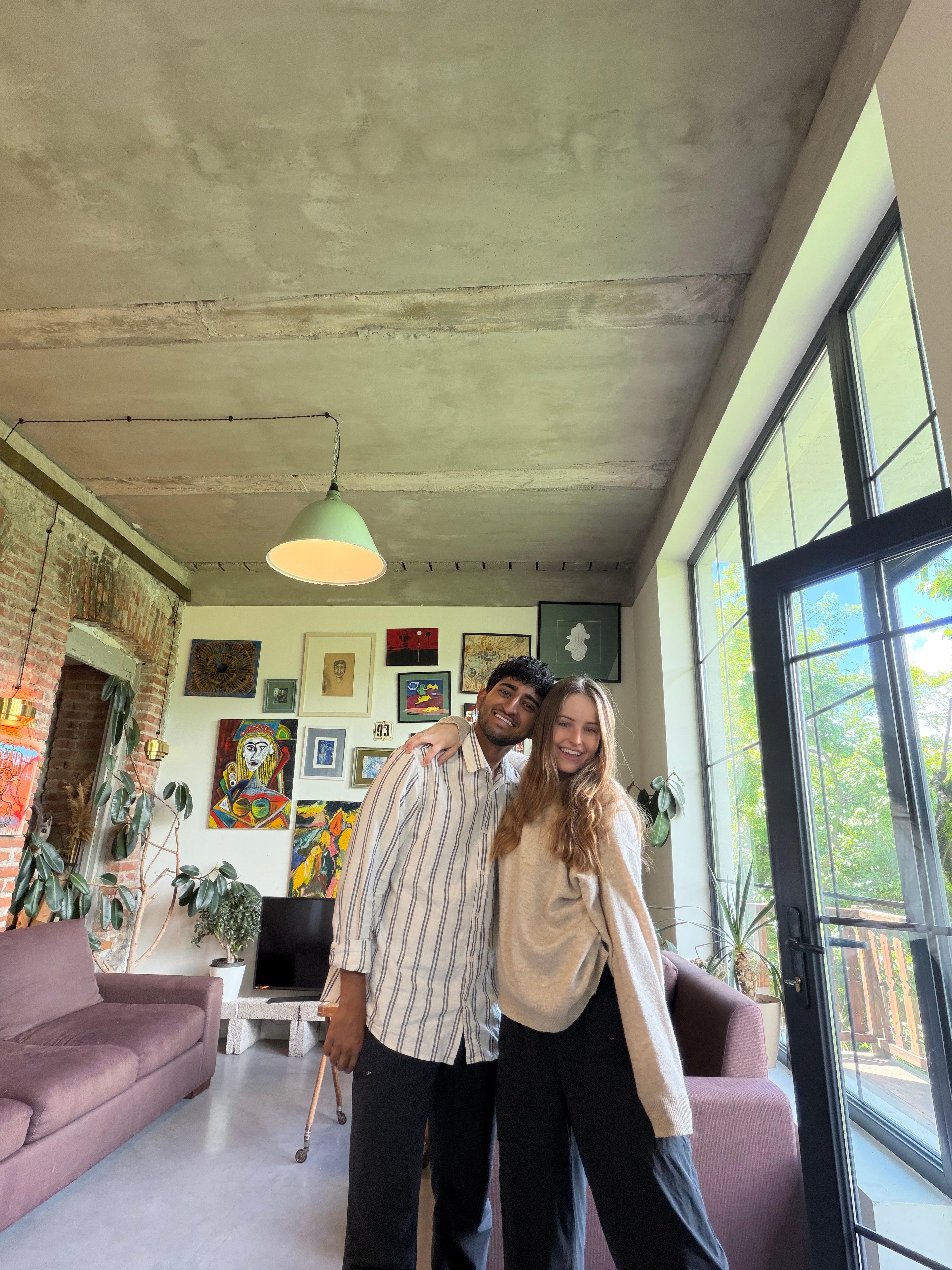
Our temporary home made it very easy to stay inside. It had two floors, four bedrooms, two indoor gathering areas, a huge and exceptionally well-stocked kitchen, two balconies, and a beautiful garden lounge. It was an absurd amount of space for two backpackers. We knew it was indulgent. We enjoyed every inch of it anyway.
Our first mornings there felt almost like mornings back in SLO. We stretched, made breakfast, settled into small working sessions, and interrupted them with dance parties. For a little while, we could imagine we were not moving from guesthouse to hostel to bus every few days. We were simply at home.
The few times we did leave were generally to buy groceries or, on one unexpected day, to share tea, snacks, and laughter with a local family we had never met before. Their English was limited, and our Armenian was nonexistent, but we still spent hours of that day together after being invited in while running an errand. That I guess is Armenian hospitality - just strangers making room for other strangers.
Our quiet week in Dilijan restored some of the energy that constant travel had slowly drained from us. It was energy we would need when we finally left the comfort of the house and returned to sniffing grass (hiking). And this new found energy couldn’t have been more needed, because our hike began with mud. Not a little mud. Mud deep and sticky enough to turn Amanda’s feet into two solid blocks, each step landing with another wet squish. The first twenty minutes of the actual trail somehow took us nearly an hour. It was not an encouraging start.

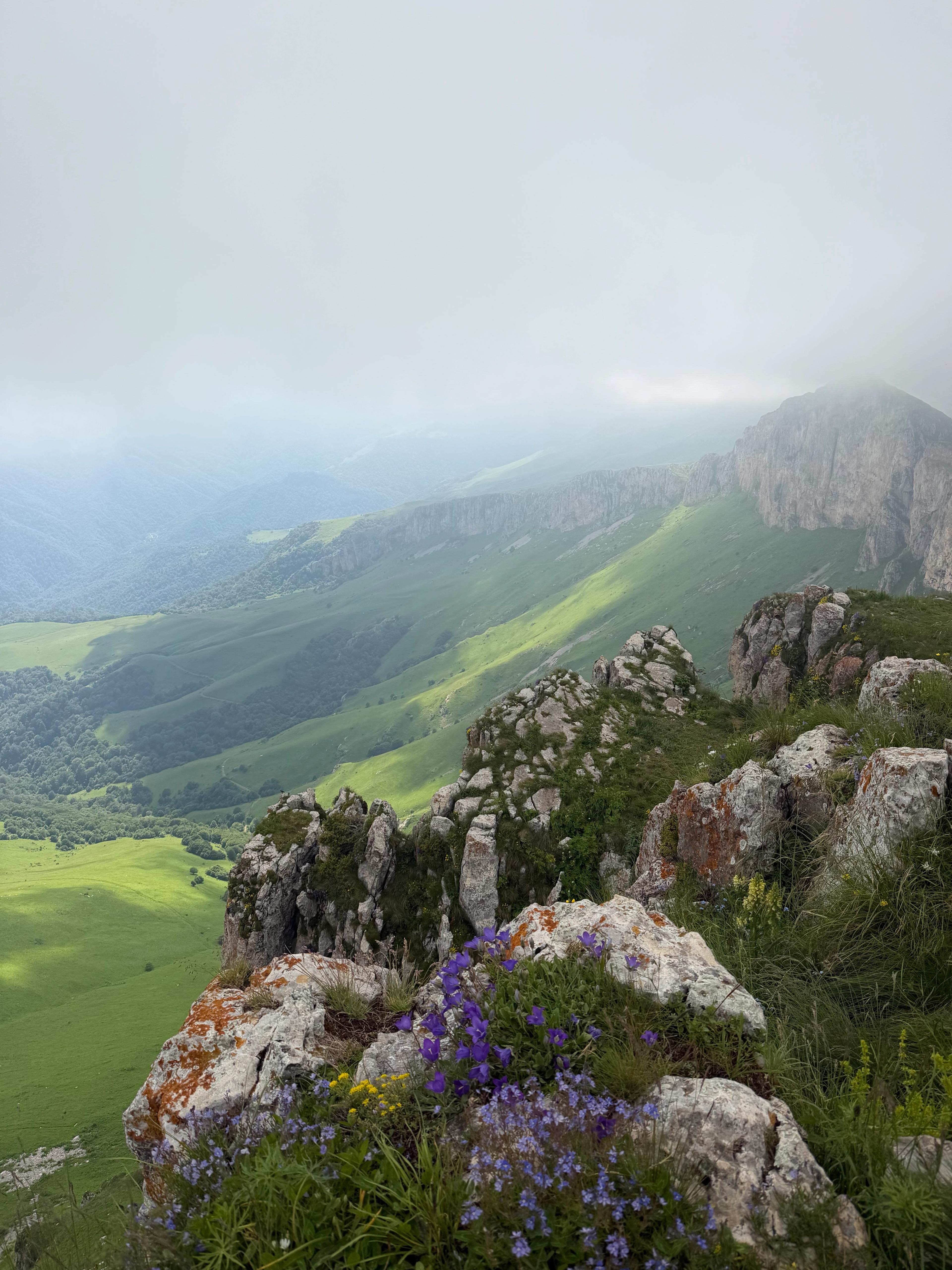
Once we escaped it, though, the day opened into rolling green hills, pastures filled with animals, and wildflowers scattered across the ground. The frustration of that first hour slowly became something we could laugh about, especially once the squishing stopped. The rest of the hike was calming; the perfect transition after a period of routine, breathing in the views of Armenia’s Switzerland.


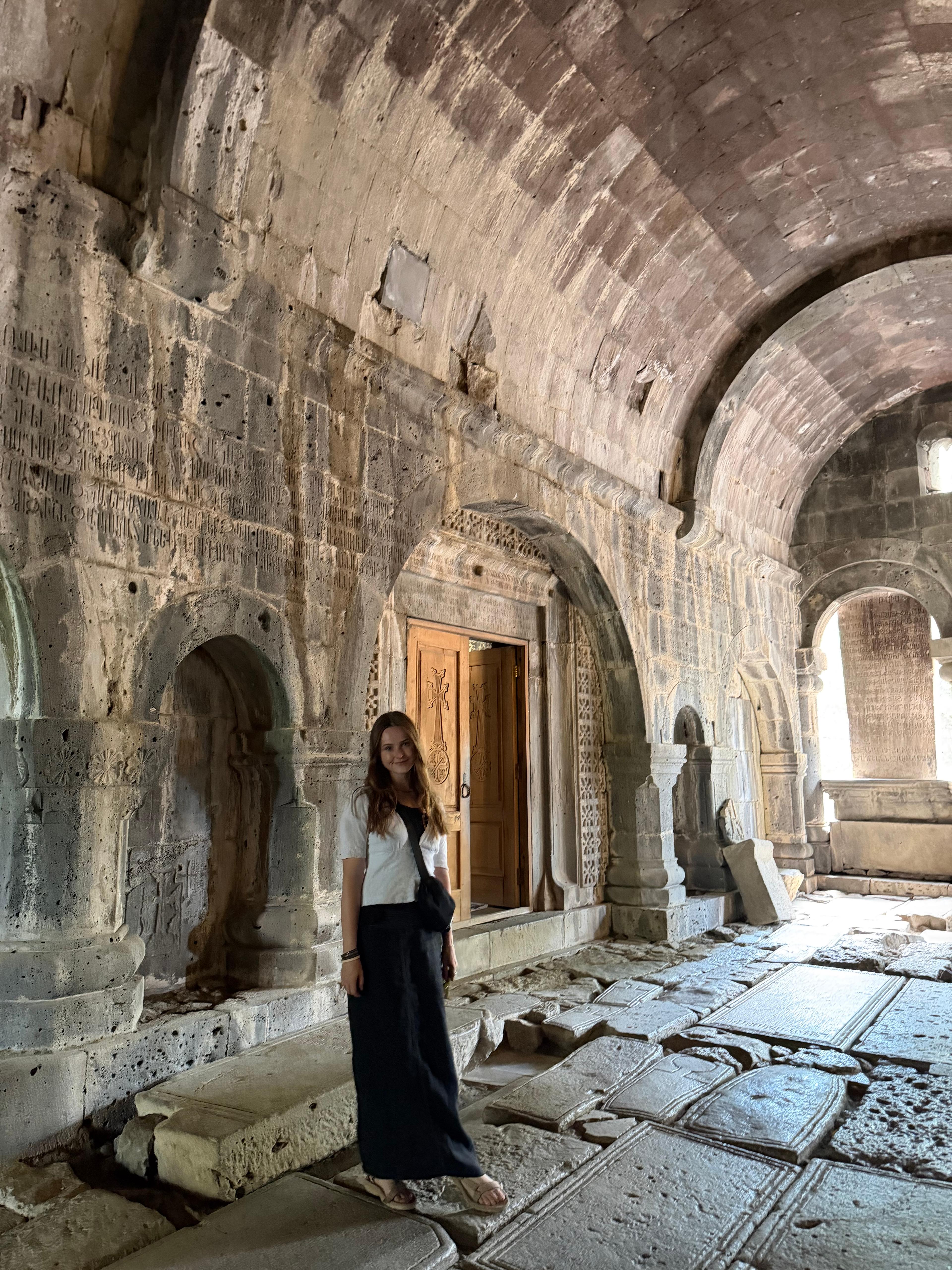
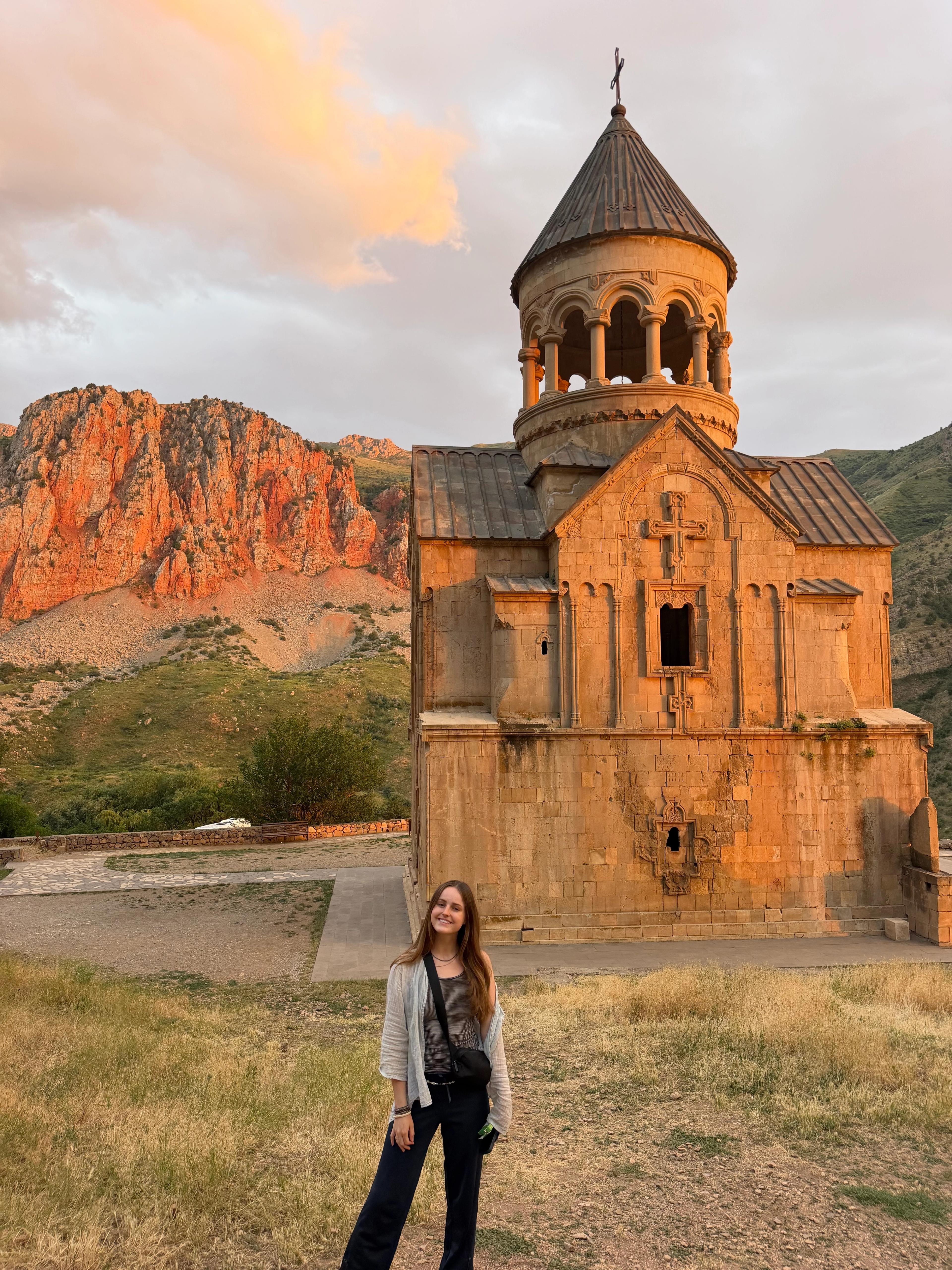
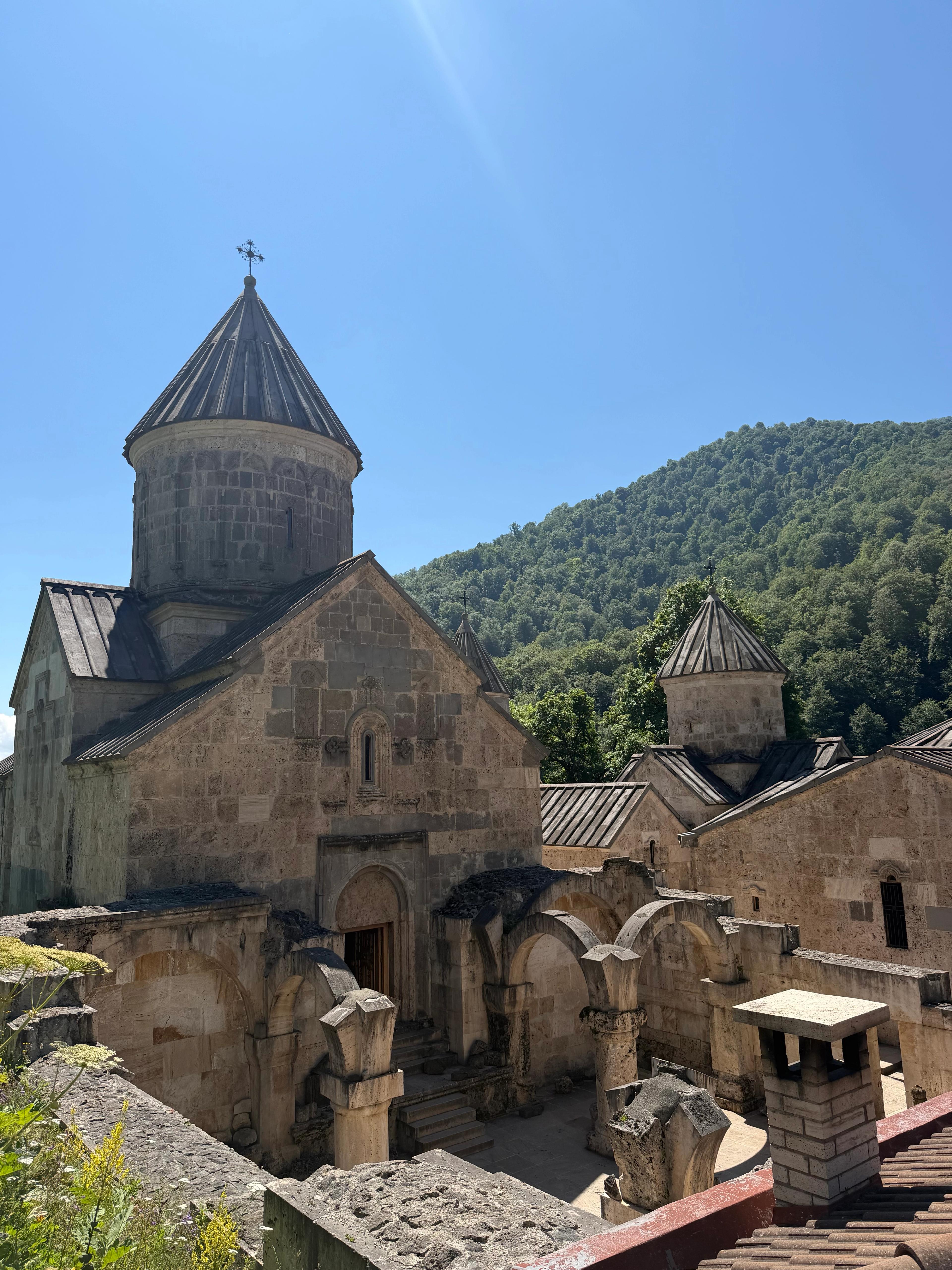
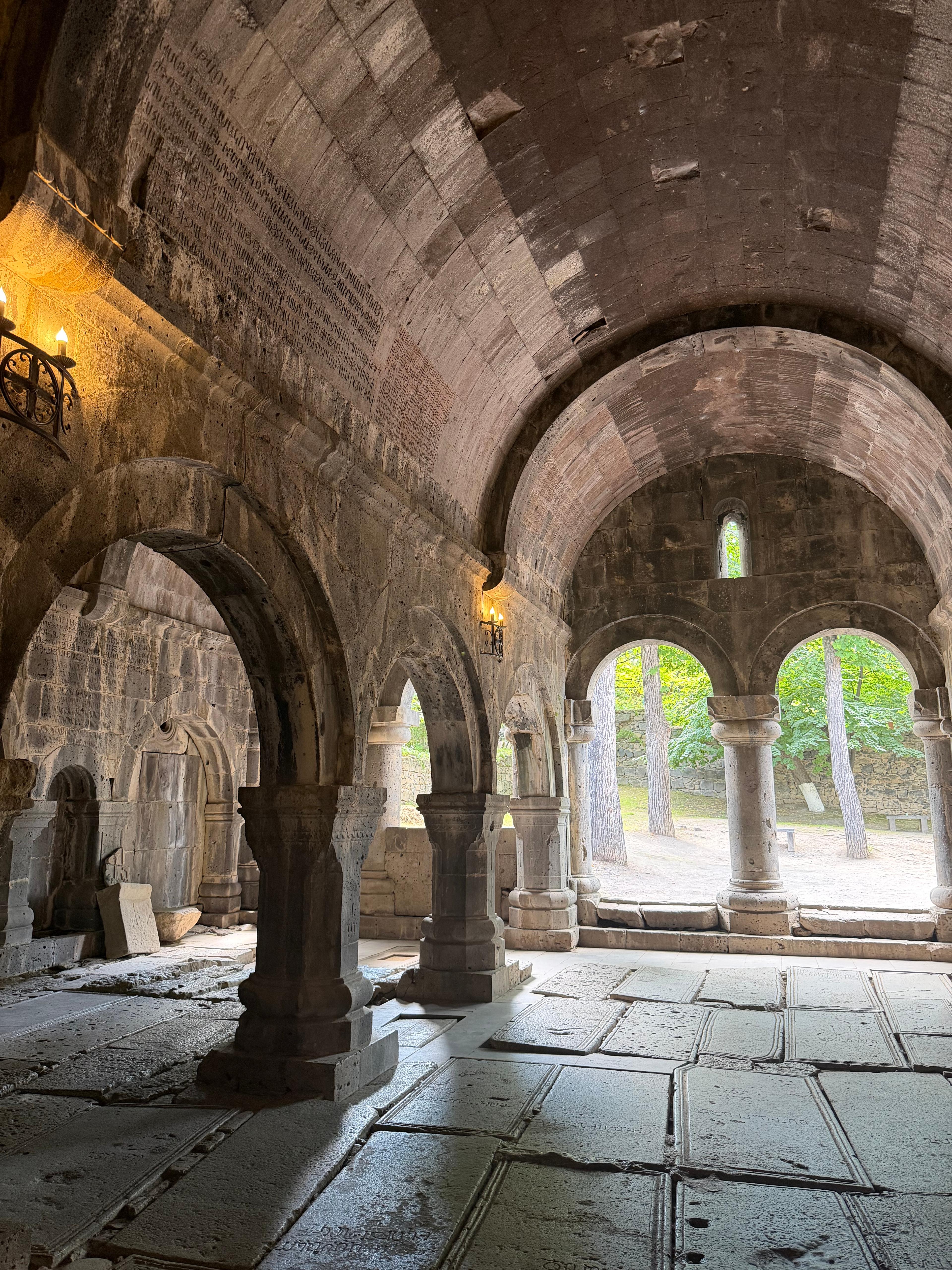
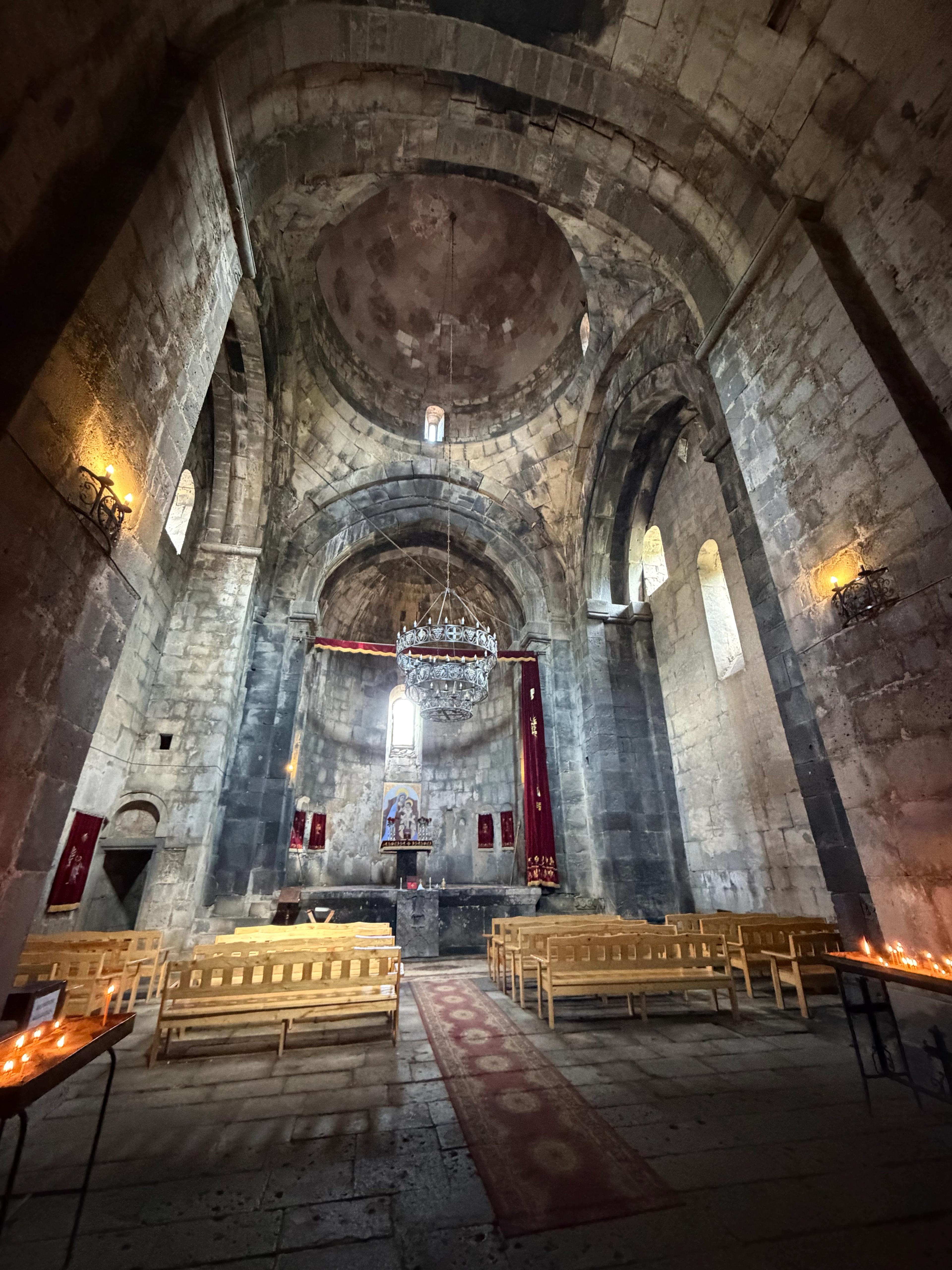
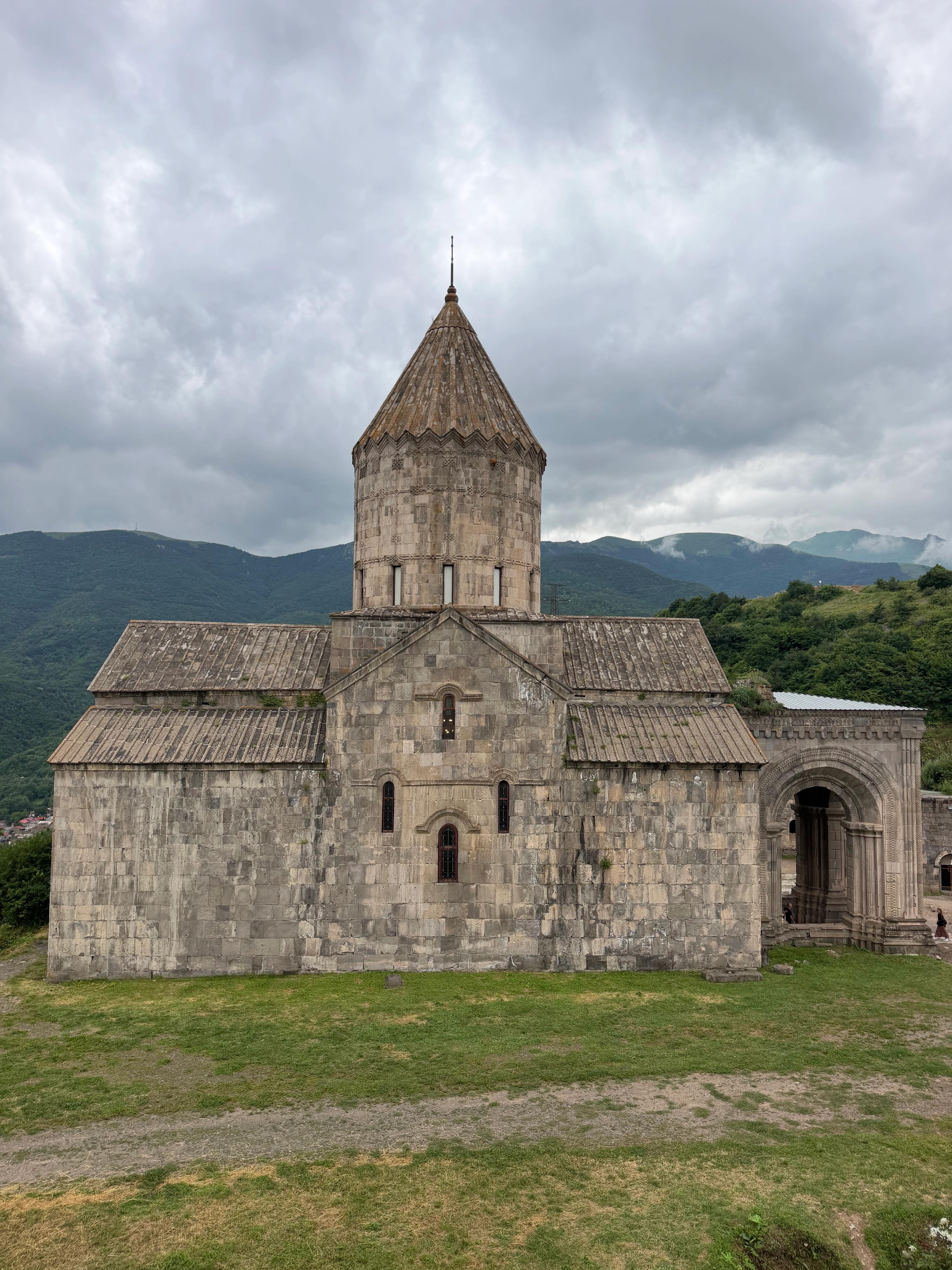
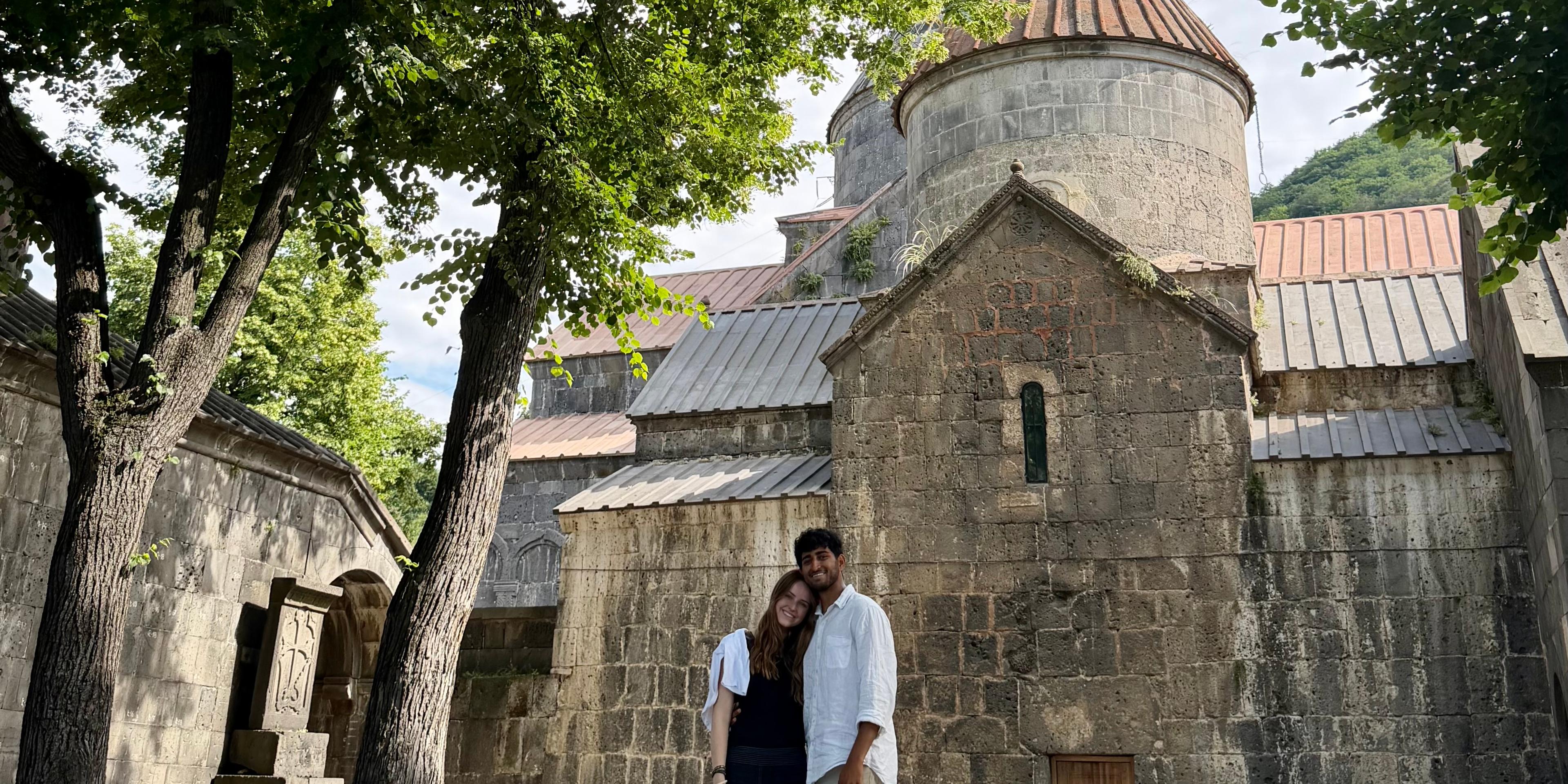
Our adventures after Dilijan took us further north through deep valleys, passing abandoned Soviet textile factories before arriving at centuries-old buildings tucked into some of the country’s quietest places: the treasured monasteries of Armenia. These were religious centers, but they were also places where people once studied, taught, created art, made music, stored books, and produced wine. At one monastery, an augmented-reality musician helped us picture what the building might once have sounded like - lucky us to have such a… life-like performance.
These monasteries made that life easier to imagine. There were prayer rooms, libraries, music chambers, art spaces, and rooms used for winemaking.

They were places of worship, but also places of learning and daily work. I began to think that, in another life, maybe even I could have been Jovan the monk: making wine, reading books, and enjoying the view.

Between our trips through northern and southern Armenia, we accepted a brief side quest: finding a chessboard. We had only about four hours that morning before picking up our rental car and heading south, which constrained precious city-time for so many other things we could have done. But, Amanda stood patiently beside me as I went from vendor to vendor, negotiated prices, reconsidered my choices, and turned the purchase into a much larger decision than it needed to be. All the while, encouraging me. Eventually, I found it: a stunning handcrafted board that carried so many cultural details of Armenia and the caucuses. It was not merely a souvenir from Armenia. It was a small physical piece of this period of our lives, something we imagined ourselves playing on years from now.
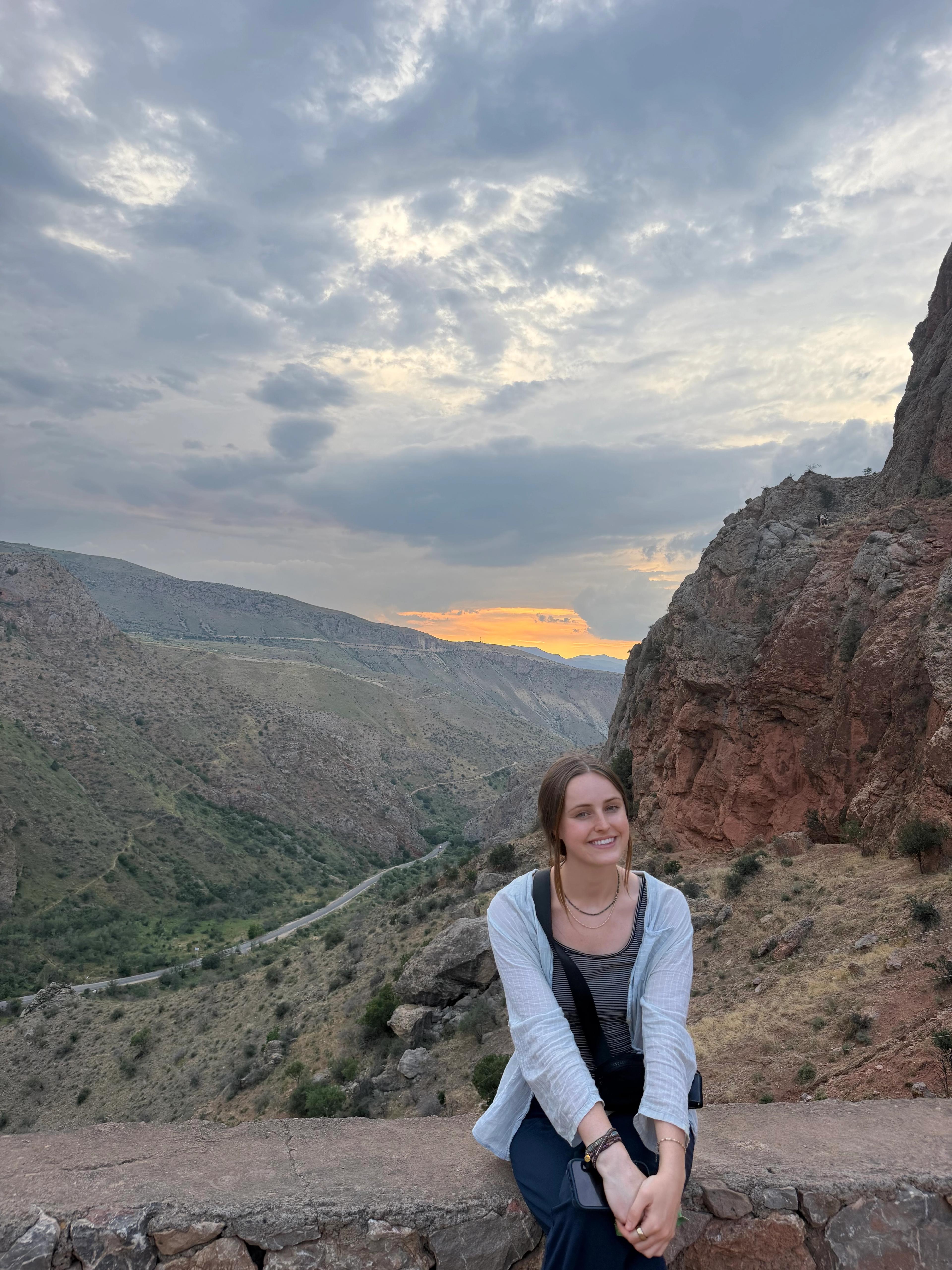
As we drove south, the scenery changed so often that the drive sometimes felt like several countries stitched together. The green hills of the north continued for parts of the drive, then gave way to drier, wider ground as we came within an hour of the Iranian border.

Lush fields and wildflowers returned, followed by red rock that made it feel as though we had taken a brief detour through Arizona. Farther on, the earth turned black in stretches. Volcanic soil and dark fields sat beside deep blue lakes and green farmlands.

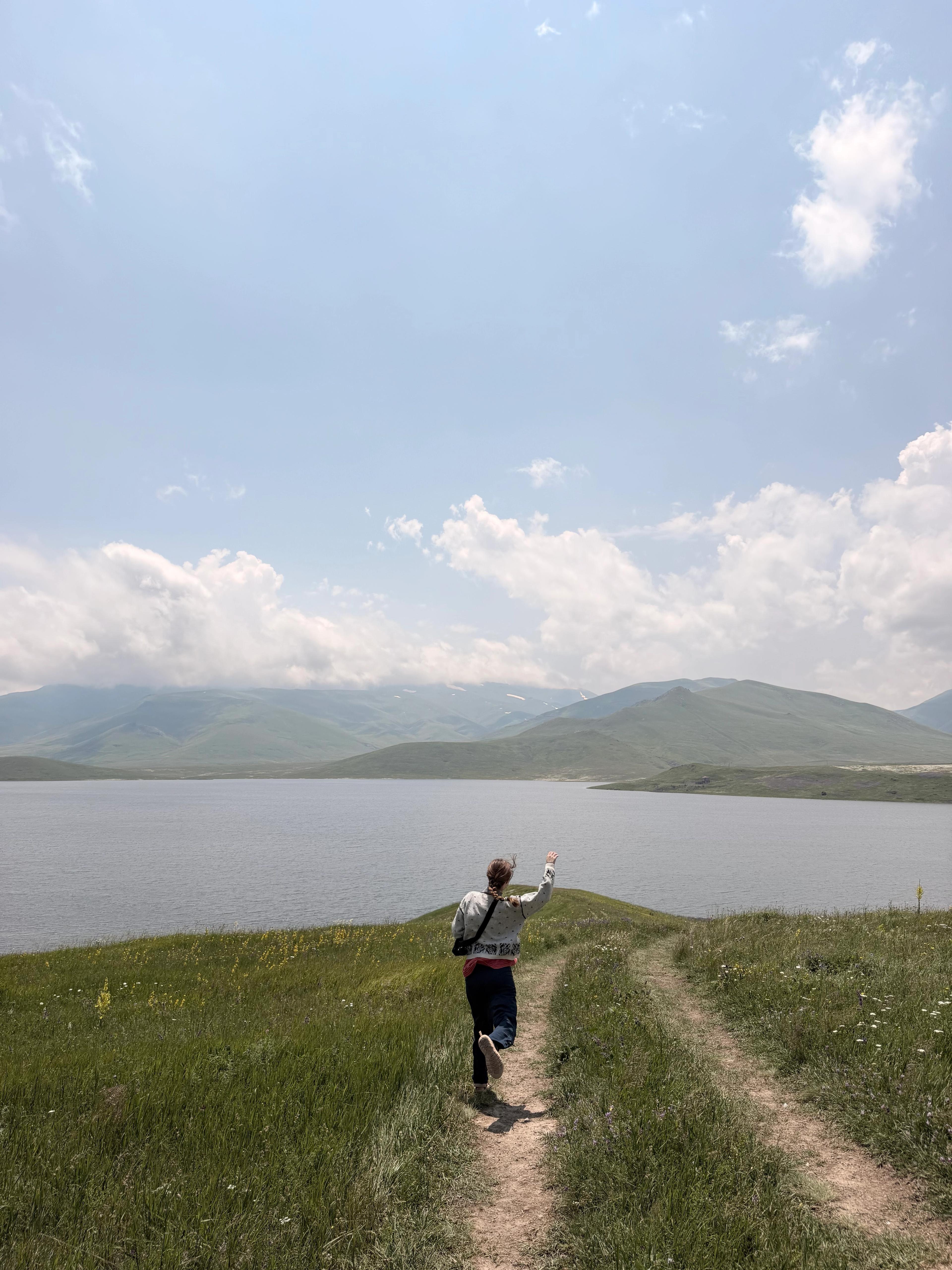
We had all the time to stop and cherish the landscape. We pulled over beside the road, laid together in open fields, picnicked in the sun, and danced beside a lake. There was no need to hurry, no place we had to be at, only the mandate to stop and follow our curiosities. Wherever the road took us, another monastery never seemed far away.


The experience that stayed with us most from our final days in Armenia had nothing to do with monasteries, food, or even the scenery. It started with a normal run-in with other guests at our guesthouse. We had assumed our last days would be quiet. Armenia had given us the freedom to move slowly, settle into routines, and alternate between long drives, hikes, and days at home. With Kyrgyzstan and a more rugged stretch of backpacking ahead, we were beginning to prepare ourselves mentally to leave.
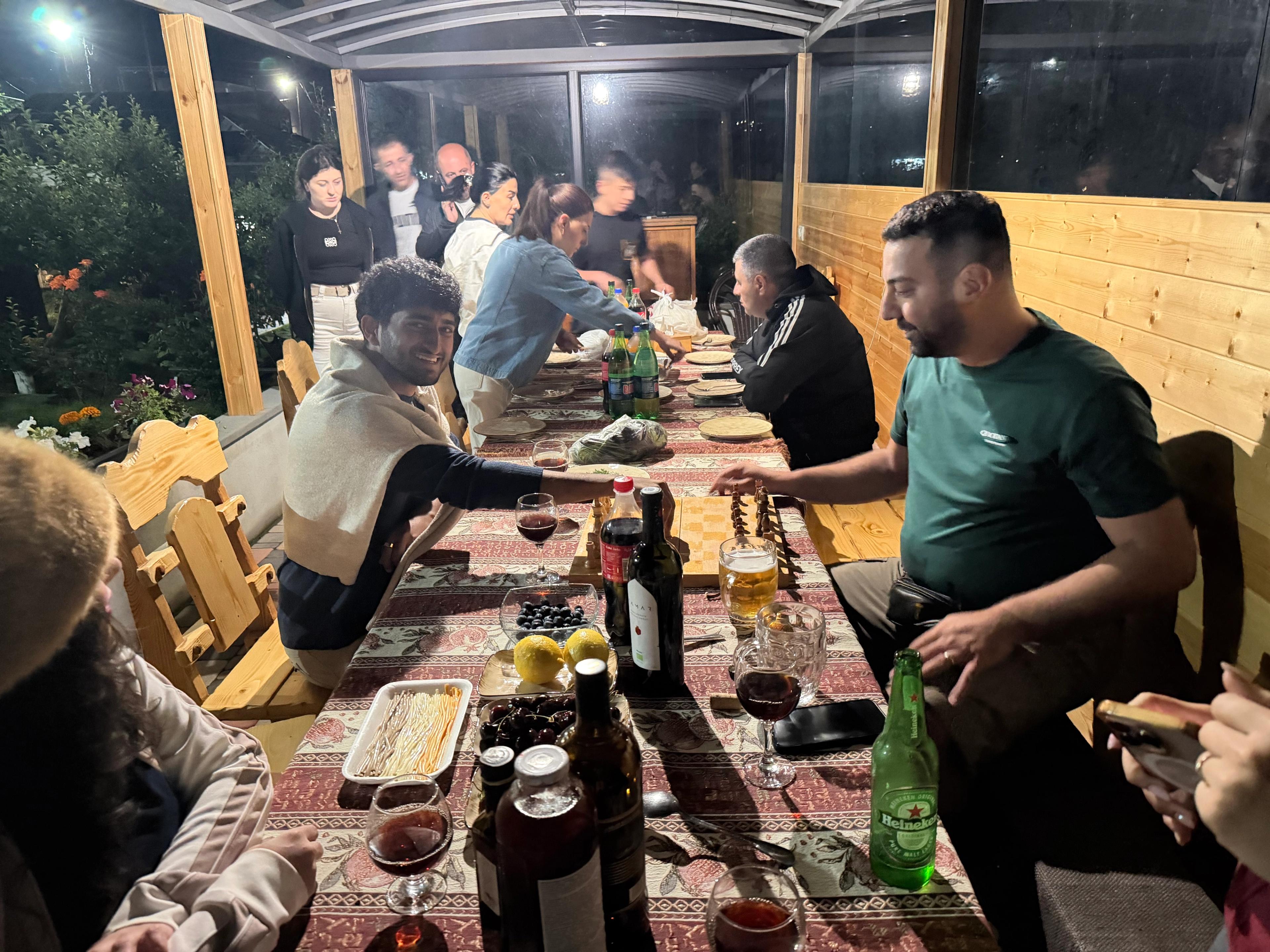
Our main priority that evening was using the rest of our groceries. We planned to make lentil soup, go to bed early, and begin turning our attention toward the next country. Instead, four remarkably friendly strangers, we learned were two couples from Iran, invited us to spend the evening with them.

The lentil soup we made joined their barbecue plans, and a simple exchange of food became eight hours together. We went grocery shopping, traded stories, laughed, and learned about their lives, about Iran from people who knew it as home rather than hearing it from the very present events on the news. It became an experience of envisioning travel to a country that was not at the top of our list previously, but now we were envisioning traveling in, through the captivating stories of our friends.
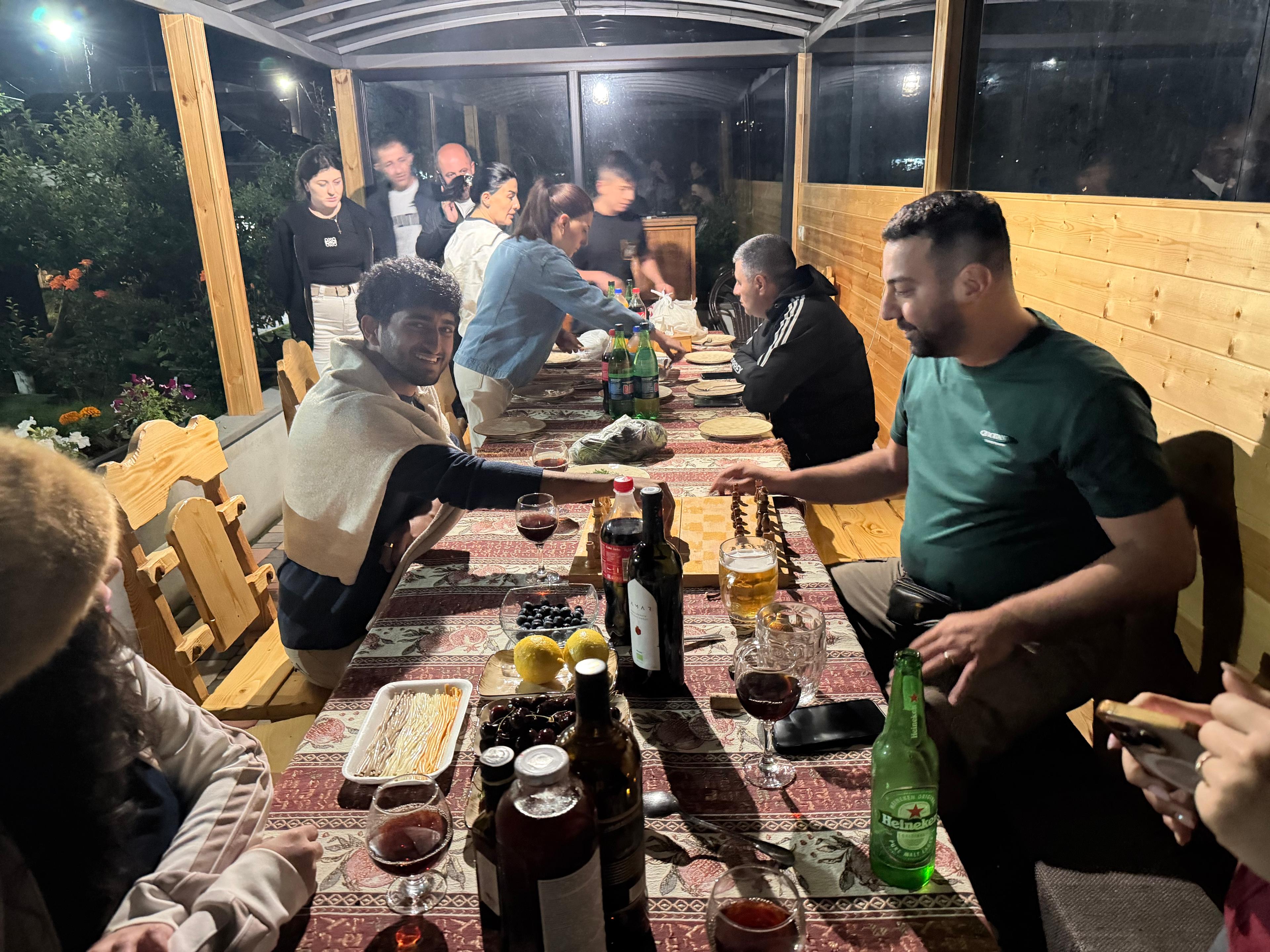
Everything that evening happened at a pace that made the marshrutka that brought us into Armenia seem like an F1 car. Except, the pace of this evening couldn’t have been slow enough - we craved and deeply cherished our time with them. The barbecue cooked for four hours, to the point Amanda and I had forgotten about it and assumed it was no longer in the plans by the time midnight came along. But, at 12:30, we found ourselves sharing the most delicious barbecues I had ever tasted, and with four of the most beautiful people we had met on our travels.

We met them again the next day, not to do anything grand. We simply spent more time together, walking around a new part of Armenia, which was exactly what we wanted - just spending time with new friends. It became the perfect final memory of Armenia. The country had given us spotless city streets and parks full of families at midnight. It had given us delicious coffee, opera, mud-covered shoes, quiet mornings, monastery libraries, roadside picnics, a chessboard for our future home, and enough space to feel a little like ourselves again. But more than a month later, we still check-in with our Iranian friends we met over lentil soup and slow-cooked barbecue. Of everything Armenia gave us, that is what we continue to cherish most.
Gallery