The Place We Almost Skipped
Caves, hikes, sweet hospitality, and a small restaurant that became our second home.
If you’d asked me before arriving what Cappadocia would be like, I would’ve said crowds. Tour buses. Long lines. Overpriced restaurants. A destination that had maybe become too popular for its own good?

I was hesitant of even going, fearful of being another tourist, herded in and out of areas just for their photo-op.
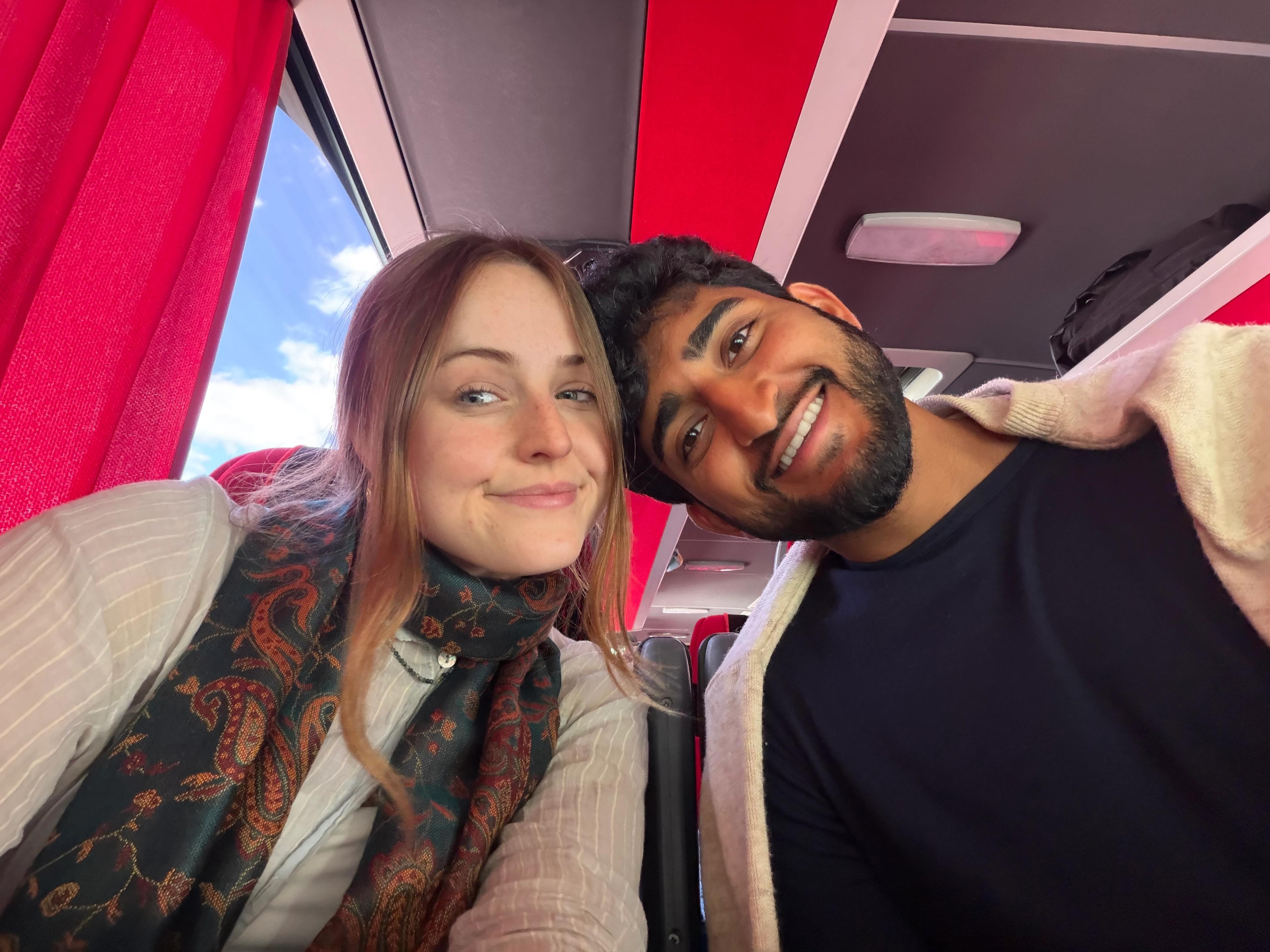
For hours, we’d been on a bus from Antalya, surviving on five hours of sleep, eating leftover falafel wraps and successfully completing our an unhealthy binge of The Good Place.

Side note of shame: When we watch tv shows, we WATCH them. So it’s no surprise that it took us 2 weeks to get through a 4 season binge of the good place. And, for what it’s worth, it led us to have so many intriguing philosophical discussions while hiking, reading a book on moral philosophy and even opened me up to potentially being vegetarian?! Point is, we spent a lot of the 8 hour ride completing our binge of the show.
Along the way, Amanda and I found ourselves deep in one of those travel conversations that always seems to happen on long bus rides. What should we do after Cappadocia? The Balkans? Eastern Turkey? Armenia?
Neither of us could quite let go of either option.
The more we talked, the more it felt like we were quietly grieving whichever path we weren’t going to choose. We snapped out of it. The reality is, there is no wrong decision. We are in a literal paradise and choosing either incredible option A or incredible option B. In the end, the decision became clear. We had come to experience Turkey as fully as we could, and this was our chance to see the slower, harder-to-reach, Kurdish-influenced parts of the country.
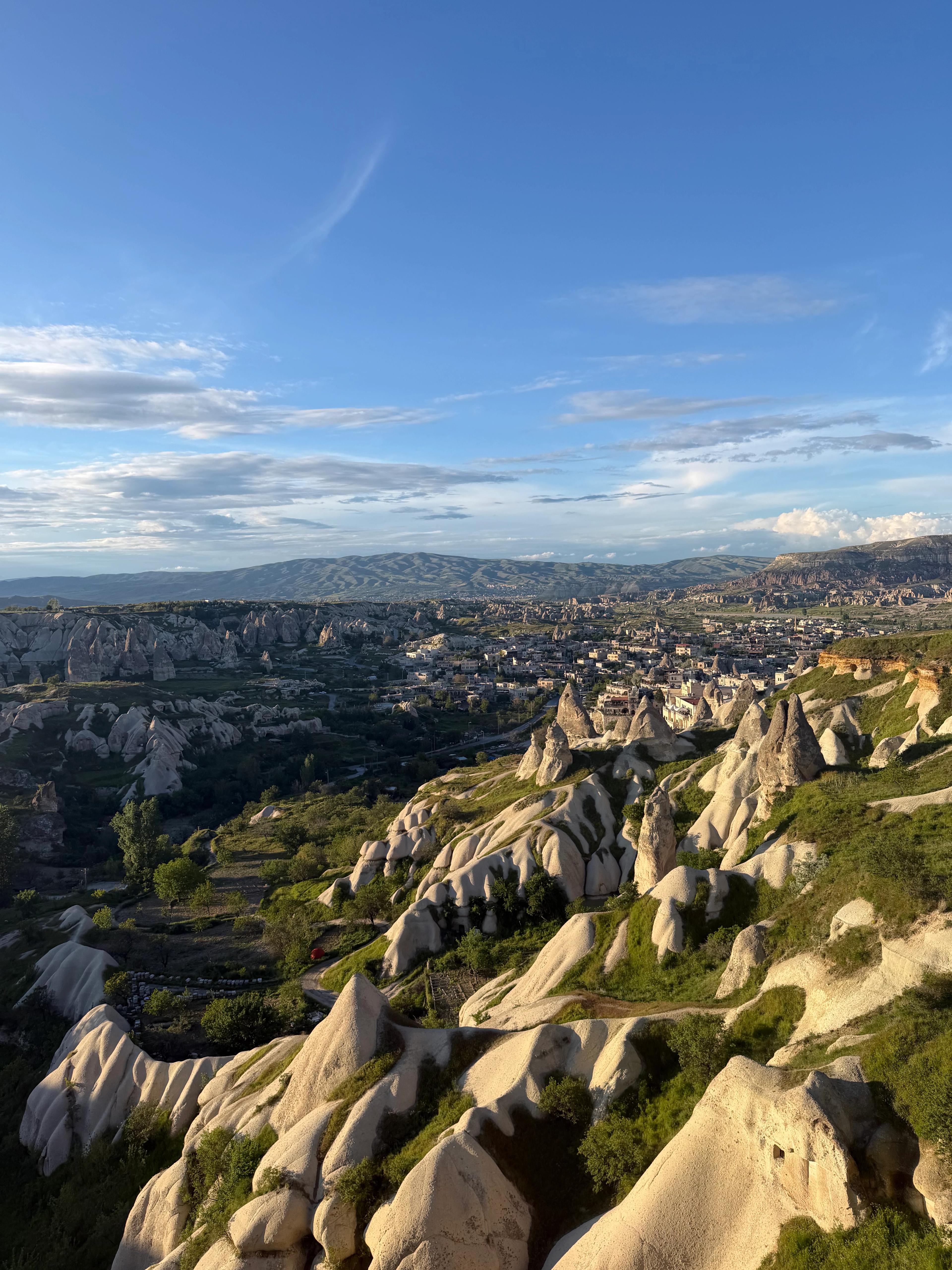
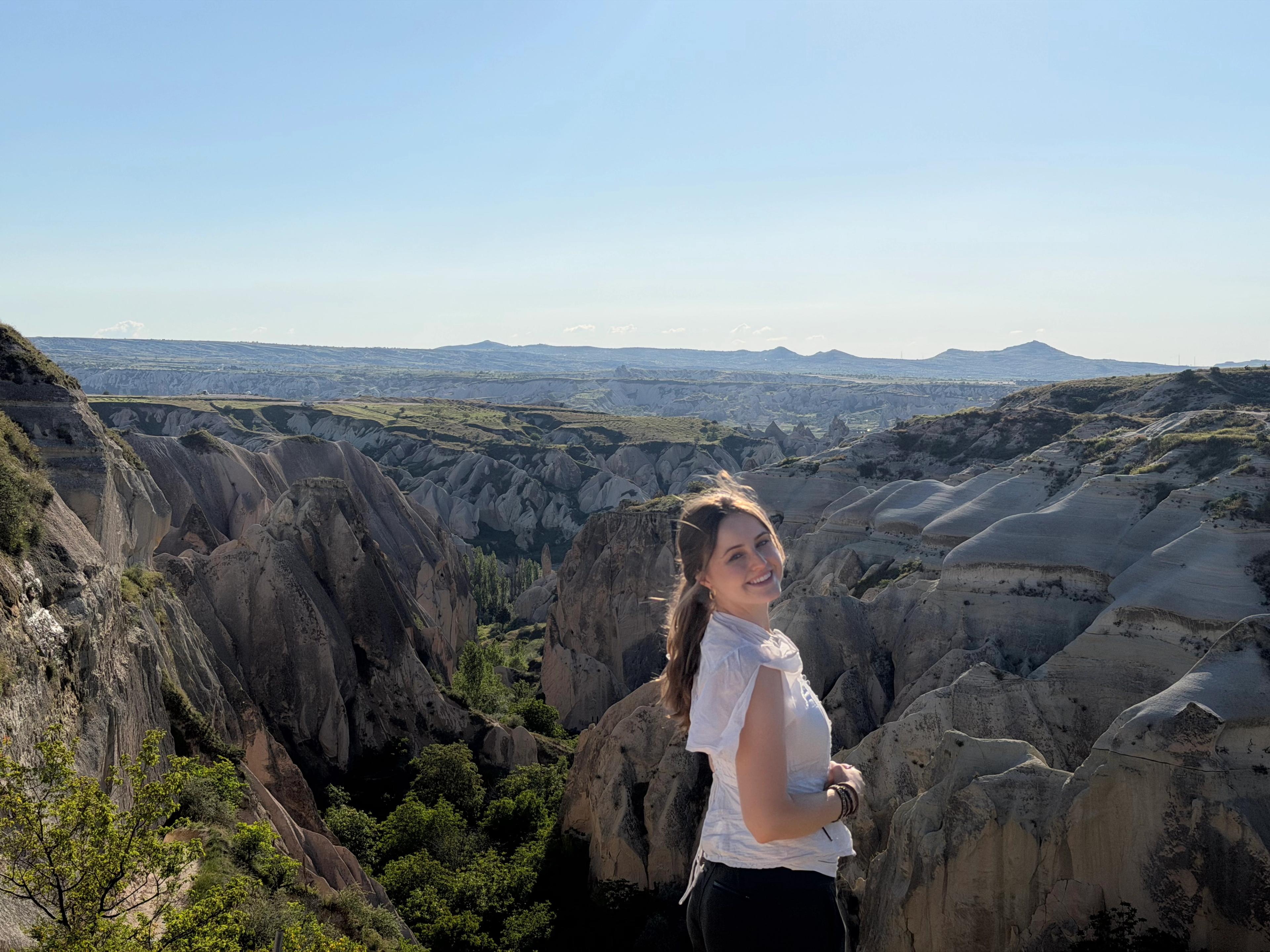
The landscape outside the bus window started changing. Between our show and long discussions on our next adventures, rock formations appeared. Then more. And in the last hour of our ride, entire hillsides of them. Holes carved into cliffs. Tiny windows. Massive stone towers. Cave dwellings stacked on top of one another. It looked less like a place people had built and more like a place people had discovered hidden inside the earth.

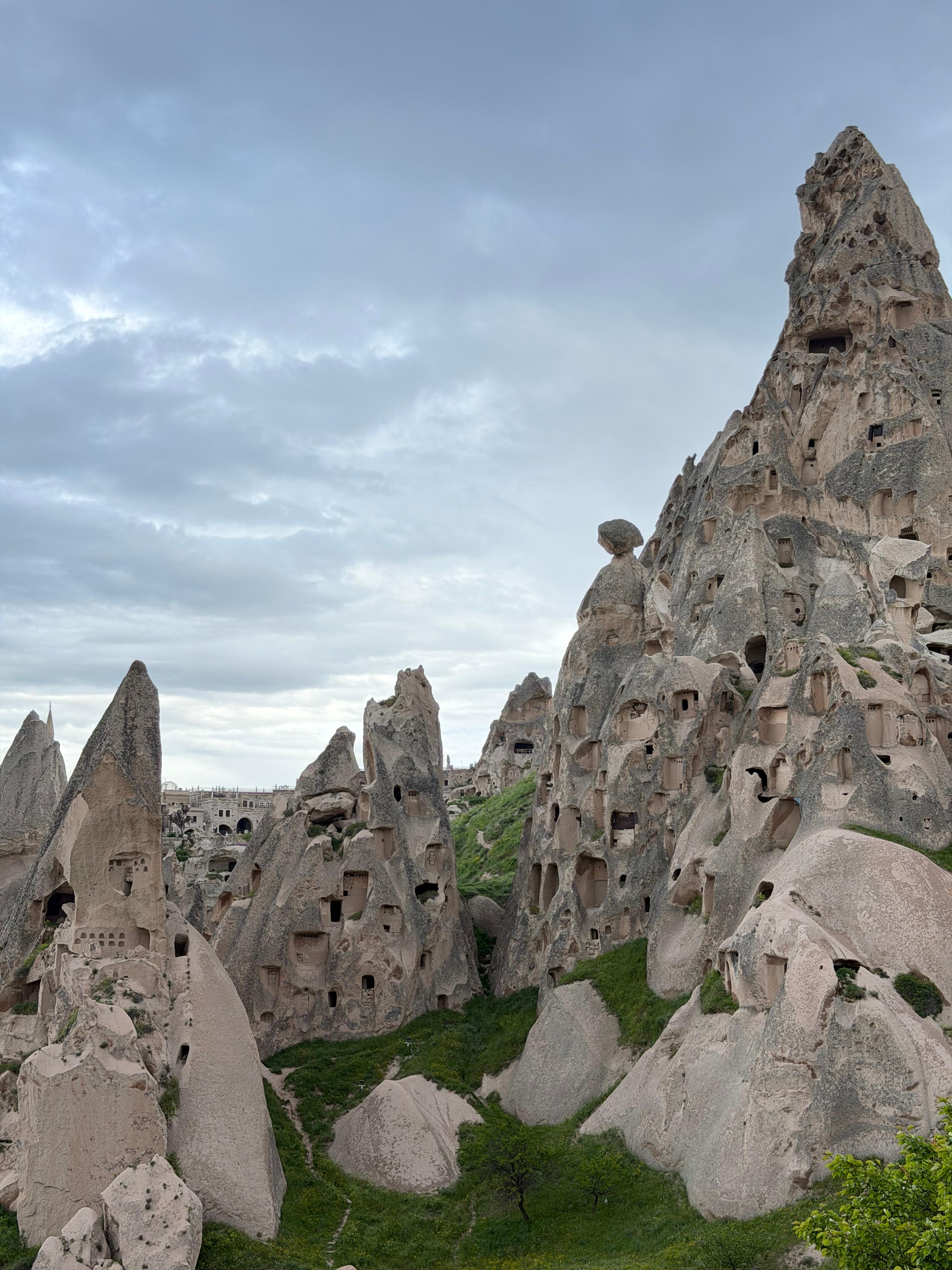
What surprised me most was how little imagination was required. So many archaeological sites ask you to reconstruct the buildings and history in your head. To “feel” the past. You stand in front of a few stones or a partial wall and try to picture the rooms, the people, the purpose. Sometimes I can get there. Sometimes I am just staring at rock and hoping my face looks thoughtful.
Cappadocia didn’t ask for that. The evidence was right in front of us. Whole civilizations had lived inside these rocks, and somehow they were still there.
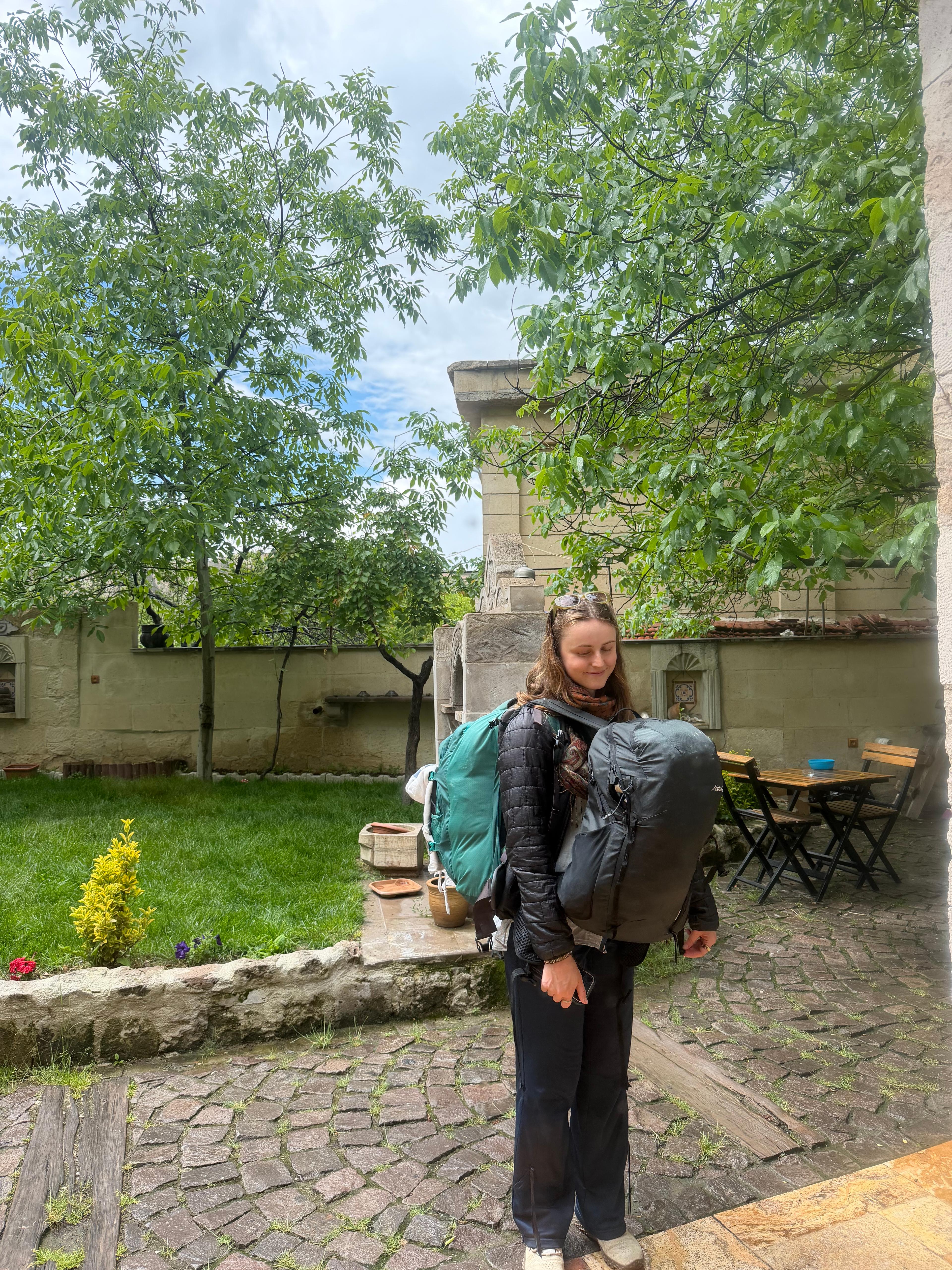
When we finally stepped off the bus in Göreme, carrying what felt like every possession we’d accumulated over months of travel, I expected crowds.
Everyone had warned us about crowds. Instead, the town felt calm. The roads were quiet. People wandering around. There were tourists, of course, but not in the overwhelming way we’d been promised. I remember thinking: Wait… where is everyone?
Our hostel owners welcomed us upstairs almost immediately. The mother seemed to quietly run the operation while her son, Ali, handled the English-speaking guests.
Ali deserves his own chapter.
To call him unpredictable would be generous. Ali appeared to exist in a perpetual state somewhere between hosting guests and being a guest himself: conversing with travelers coming in and out as he lounged and enjoyed a few drinks.
Conversations with him rarely stayed on a single topic for more than thirty seconds. It was like a strange social experiment. One minute he’d be discussing addiction - not in a profound way. It would start with explaining friendships, then cooking classes? A mention of his father? Then get back to addiction - but that some people are addicted to Shakira? His opinions were delivered with complete confidence regardless of how absurd they sounded.
Our evenings with him felt like gathering around a campfire hosted by someone who had never once worried whether his thoughts made sense. Never hesitant about sharing them either.
It became one of the memorable points of our stay. Not because we ever agreed with him. I’m not sure agreement was even possible. But because we built shared, unbelievably confusing experiences with the other people staying at the hostel. None of us ever had any idea what was coming next.
Outside the hostel, our days settled into a rhythm that we loved. Every morning started at the same place: small women’s cooperative restaurant.

The first dish hooked us immediately. A potato cutlet dish that Amanda instantly added to the “wow list”: dishes, meals, food, drinks that blow us away. And the dishes that came after were the best we’ve had. Curries. Noodles. Manti. Köfte. Babaganoush. Katmer.
By the second day we were already joking that we’d become regulars. By the end of our stay, it wasn’t really a joke anymore; we were being called regulars, being recognized before we sat down.
Every destination has a place that quietly becomes part of the trip’s identity. For us, it was that restaurant.
We spent our days wandering. One afternoon we walked to Uçhisar: stopping constantly to admire cave homes and carve passageways.
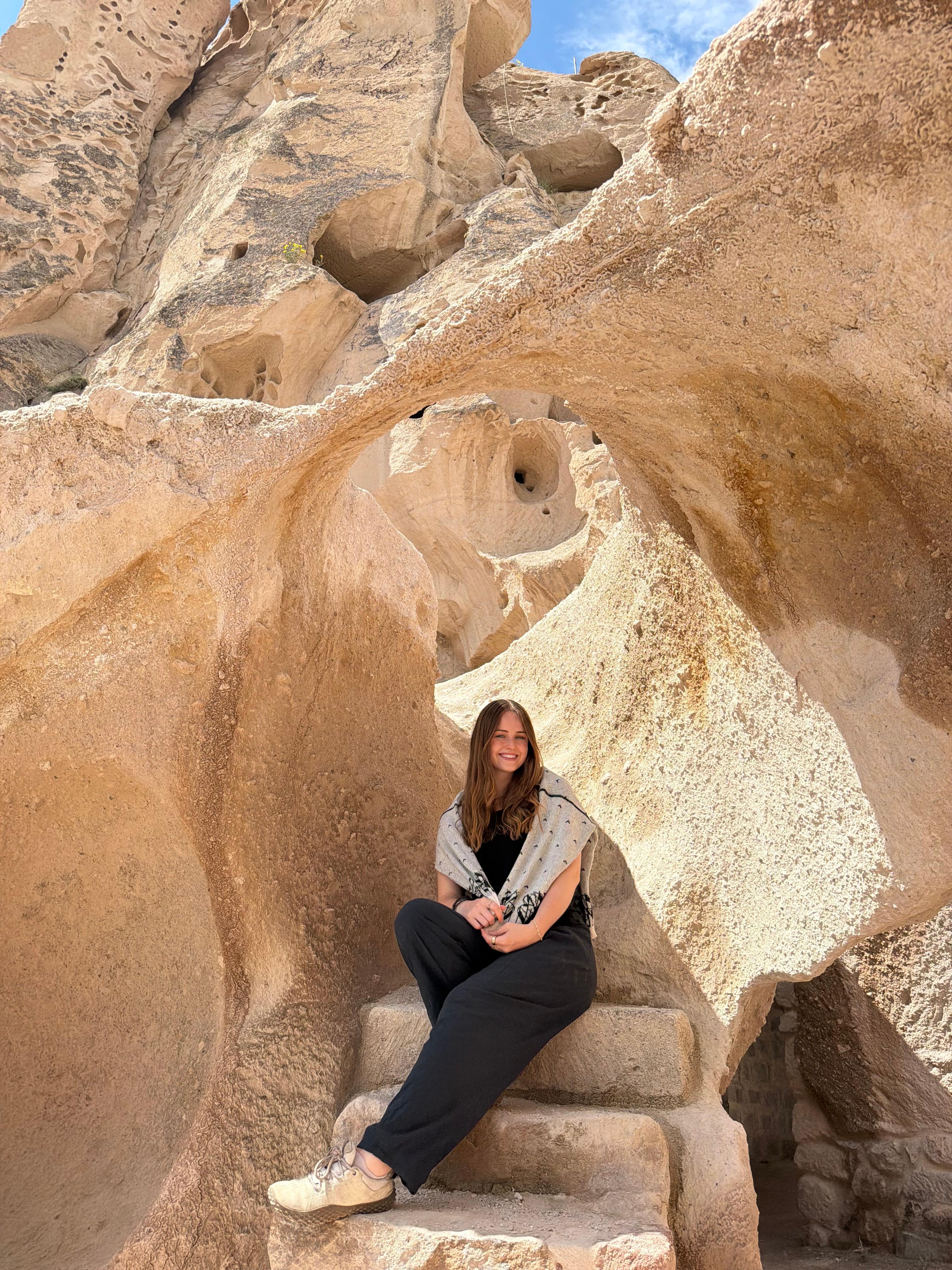
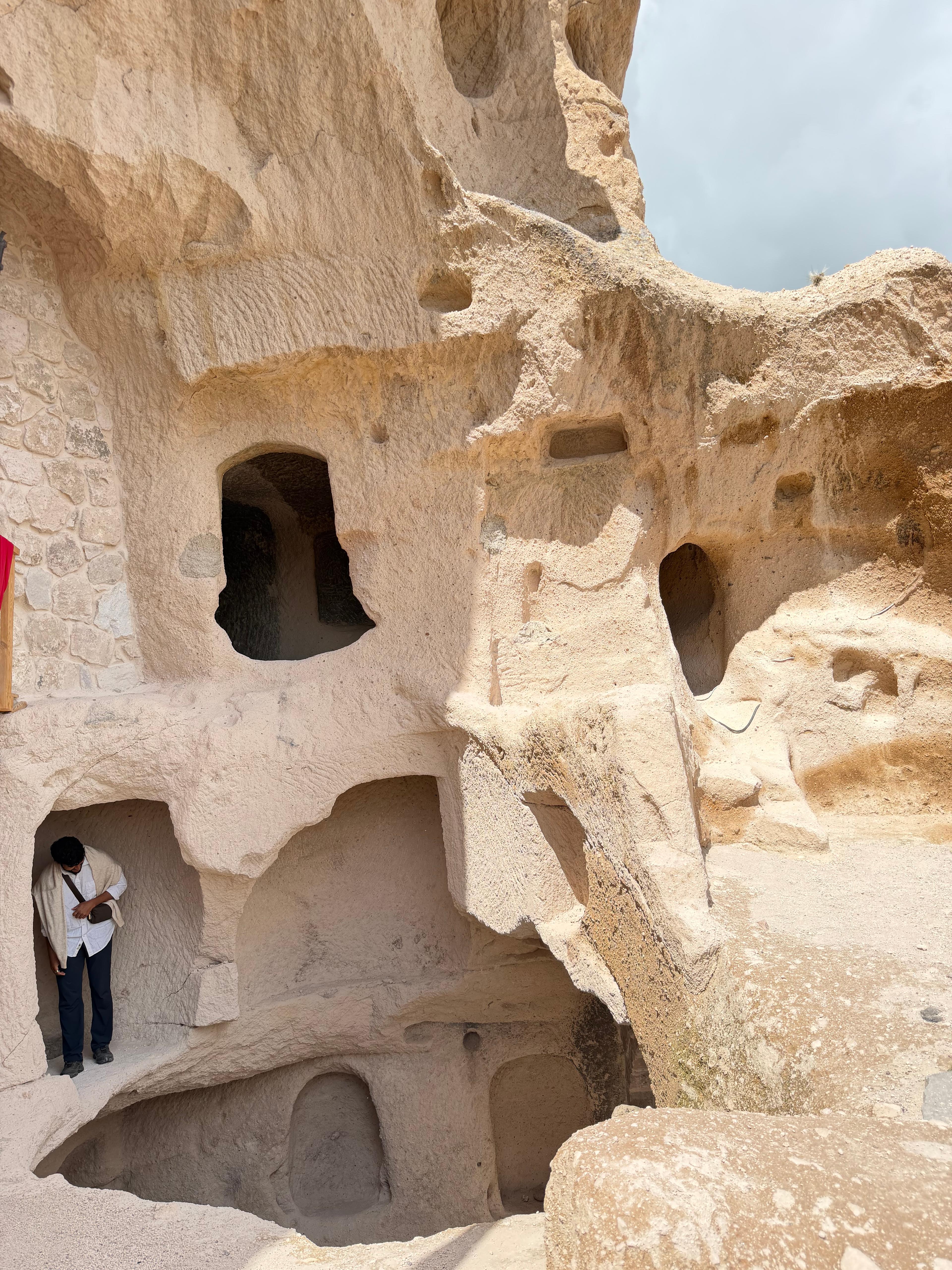
Even the busiest places never felt overwhelmingly crowded. There was always space to pause. To look around. To enter rock formations that were once people’s homes and inconspicuous fortresses against frequent invaders.
Another day took us to Avanos: a small city renowned for its handcrafted, red clay pottery. Only about 5 miles north but a newer, more local world.
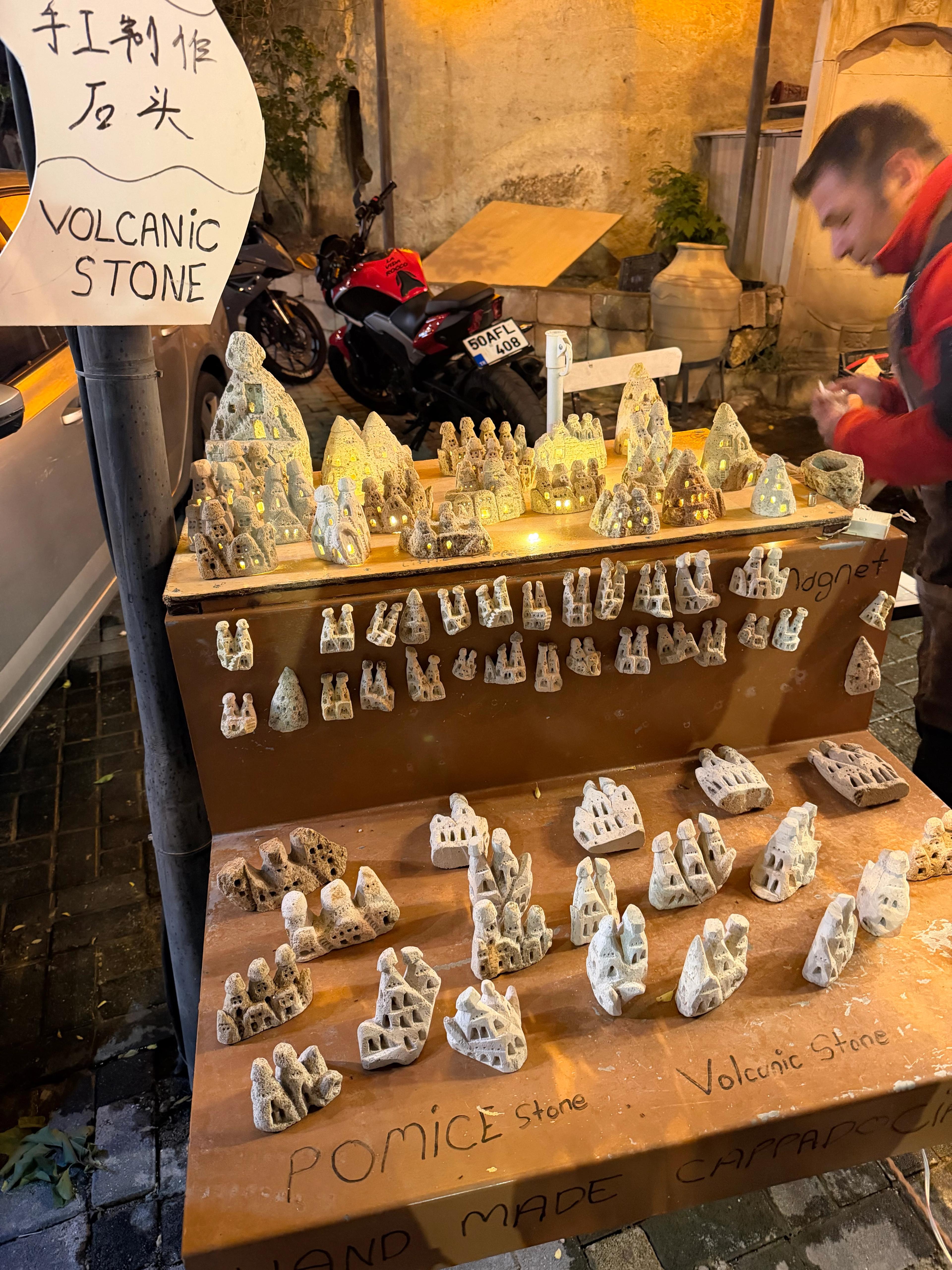
Along one street, groups of older men sat together smoking, playing backgammon and okey, without any urgency whatsoever. It was ordinary life. We wandered at the speed of the city, drifting in and out of shops, learning about ceramics, and quietly adding to the physical memories of our trip: a few beautiful mugs and luminaries.
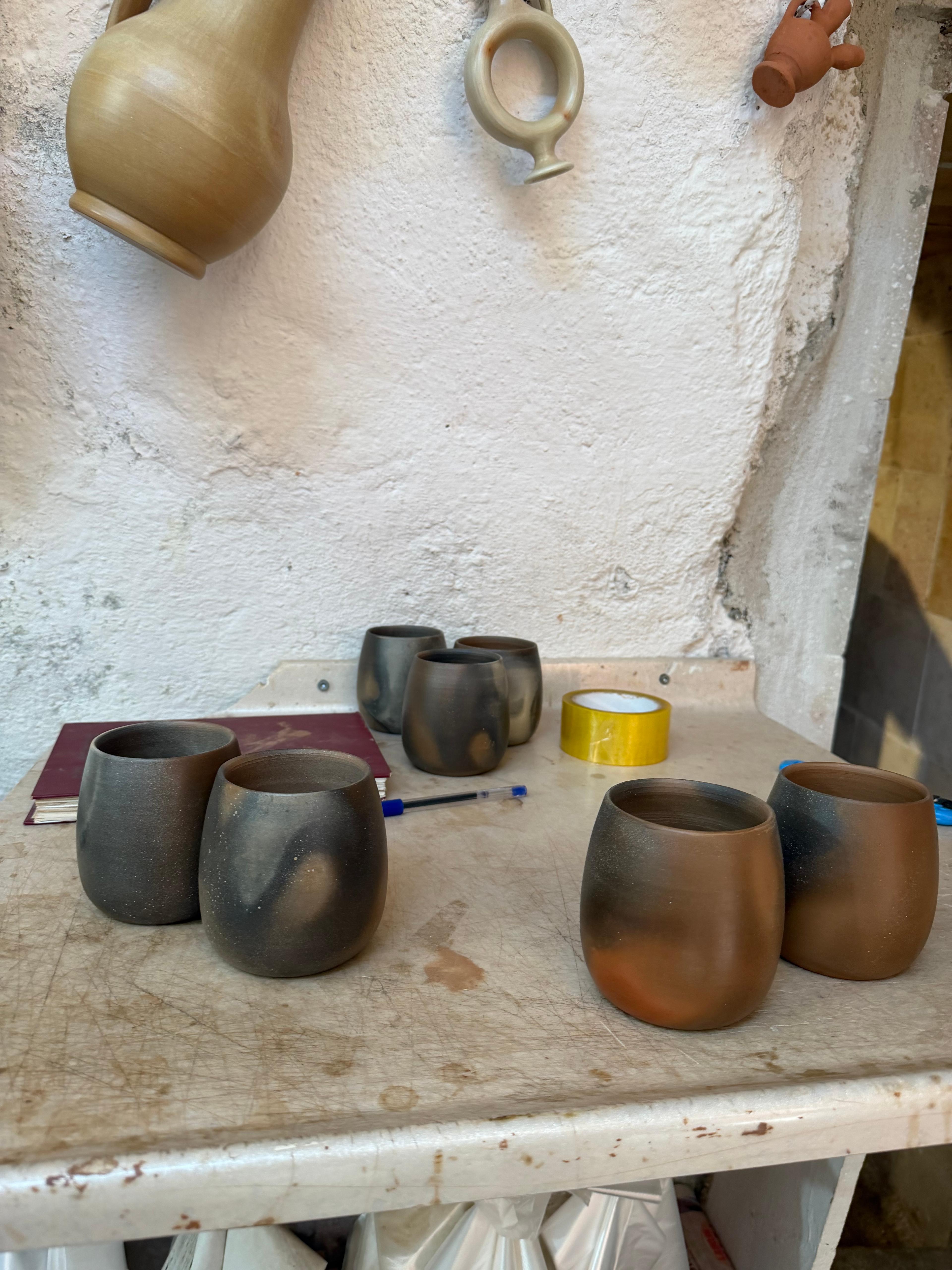
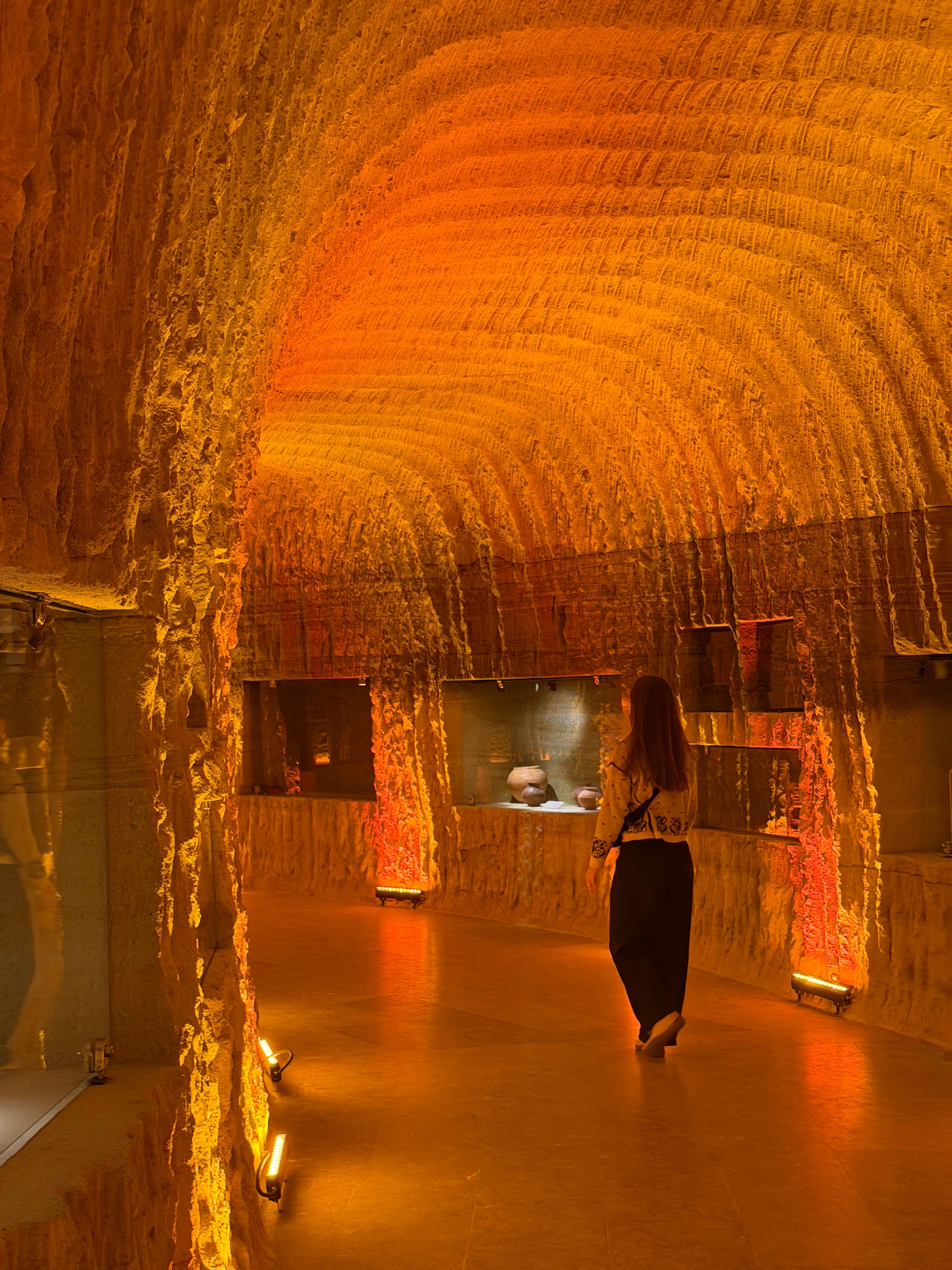
We found our way in a museum, through different galleries, appreciating the many arts without understanding much of the written information. Yet, we were continually absorbed into the beauty of it all. So much so, that by the end of it, we were ready to buy. Loading up our cart, we were on the cusp of buying several hundred dollars worth of ceramics. The only problem in our way: transport. With our baggage capacity already maxed out, to the point of emotional distress, our only option was shipping. Our dream of buying even more beautiful stuff, ended by the reality of a $400 shipping fee.
The fantasy ended quickly. Our wallets survived. We laughed giggling from the high of shopping without the financial damage.
As we searched for the bus station afterward, a small moment stayed with me. We asked one local for directions. Then another. An older man in a navy suit noticed our confusion and simply decided that helping us was now his responsibility. Without sharing a language, he waved us over, consulted other people, hurried across intersections, and personally walked us all the way to the bus stop.
Then he smiled and left. Five minutes of his day. A memory we’ll now probably carry for years.
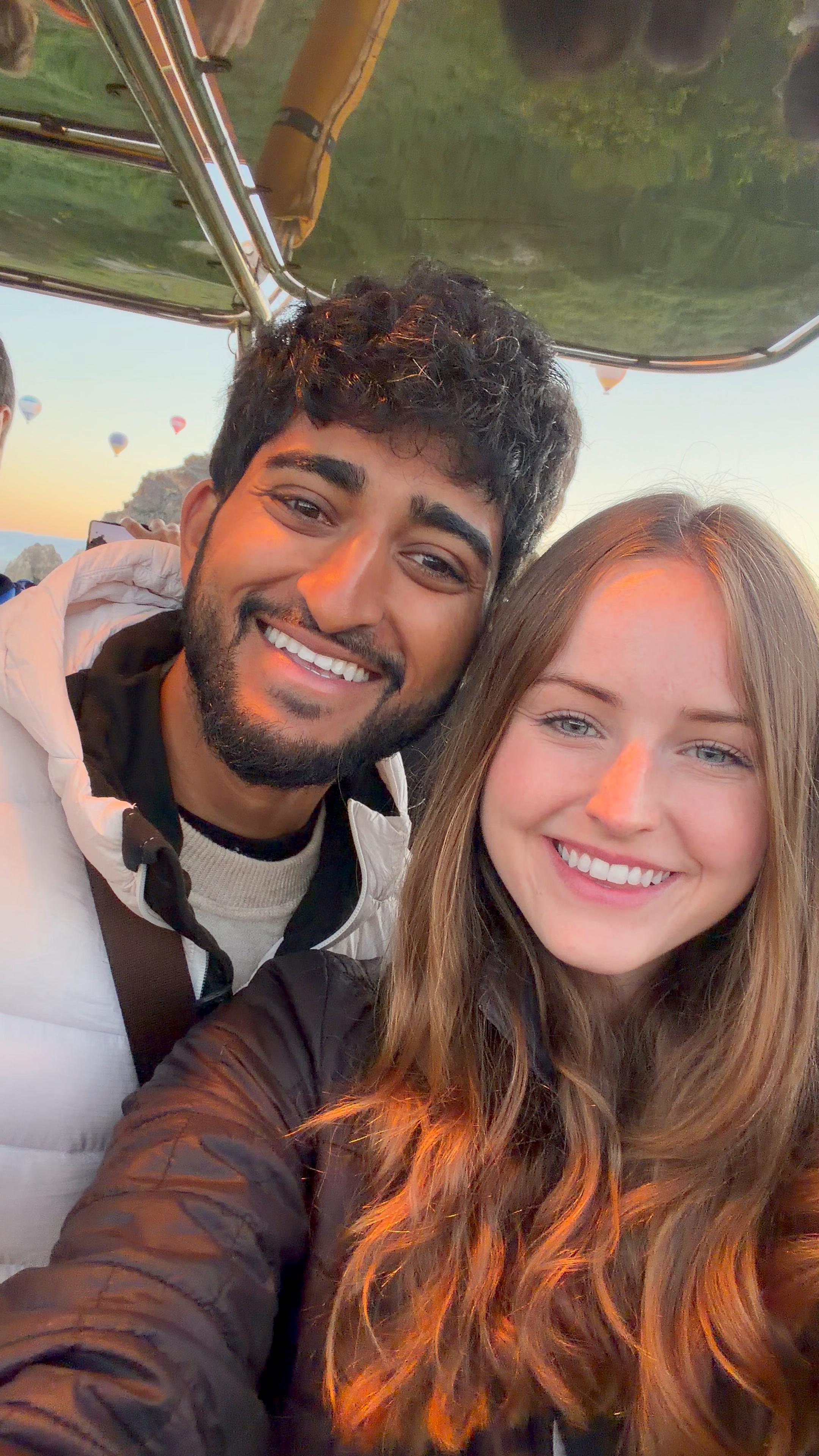
The balloon ride eventually arrived. Our alarm went off at 3:50 a.m. For ten days, weather conditions had been unreliable. We ended up on the one morning with clear skies and perfect light. Adrenaline carried us through as we got ready and were greeted by our driver - loading us into the minibus. Three more stops, other adrenaline-fueled tourists loading in. We eventually made it to the loading zone where the darkness was cut by large flames.

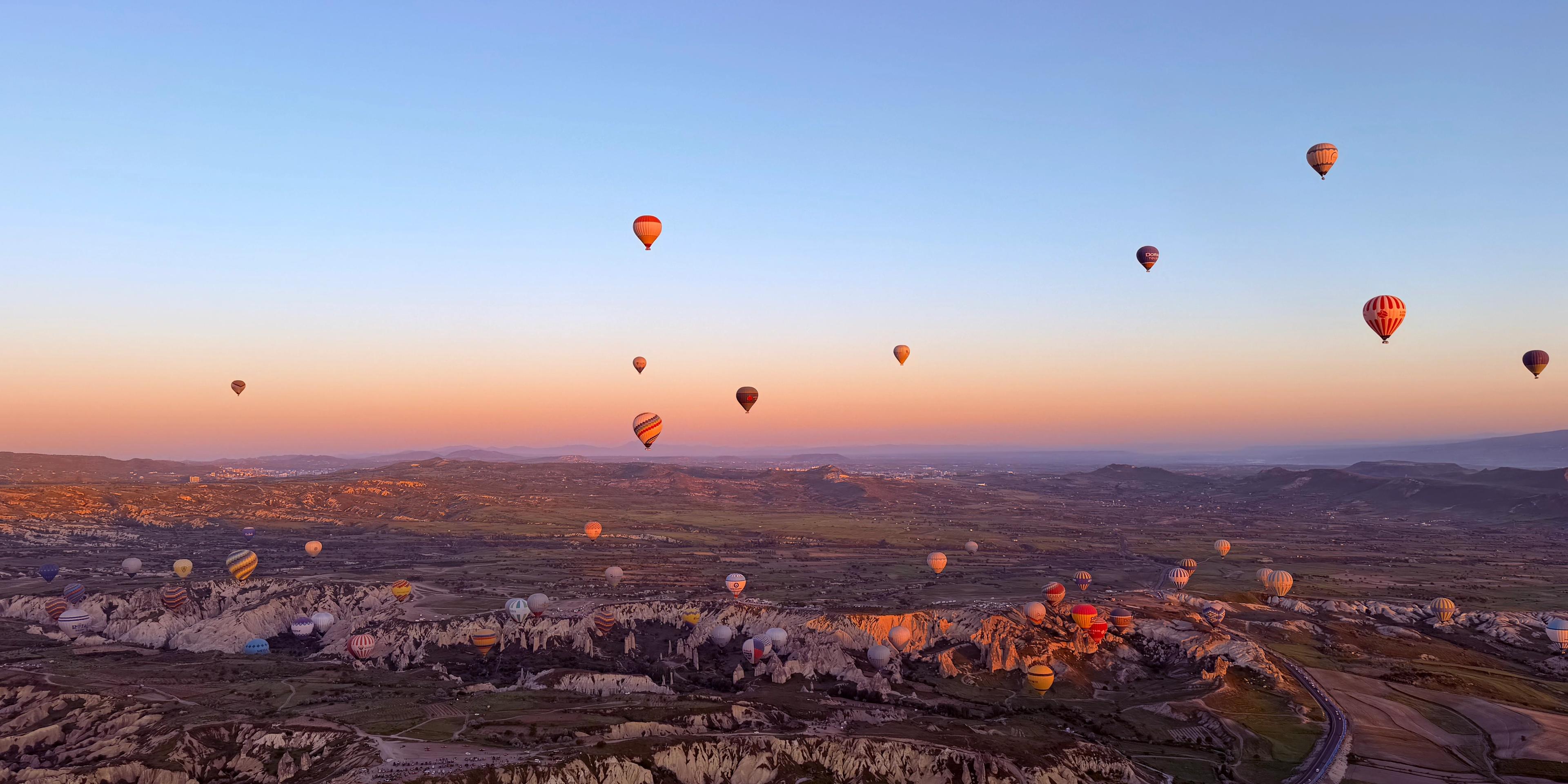
Within minutes a hundred or so balloons started climbing. Then, the sun started peaking through. We drifted across the valleys while the sun painted everything gold.
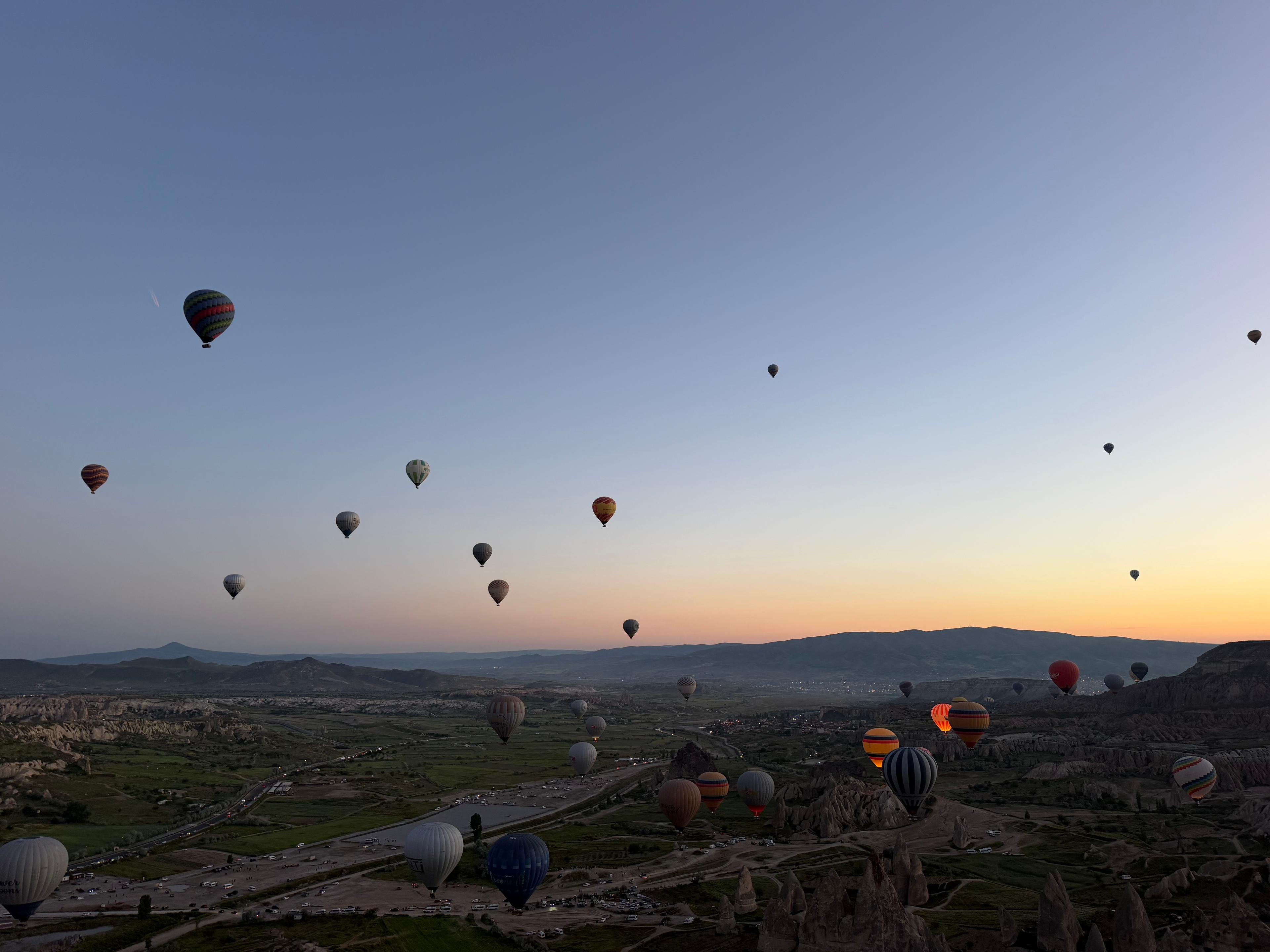

The experience itself was wonderful, beautiful and memorable. But the industry around it remains one of my least favorite examples of tourism economics I’ve encountered: minute by minute price gouging and all operators colluding together. Both things can be true at once.
Still, watching Amanda standing in front of a flower garden with balloons floating behind her, I took what might be my favorite photograph I’ve ever captured of her. Some moments justify the alarm clock.

What I remember most from Cappadocia, though, isn’t the balloon. It’s the hiking and seeing new landscapes we’ve never experienced before (and the food, of course. But, for the purposes of not seeming one-dimensional, I’m choosing the hiking here).
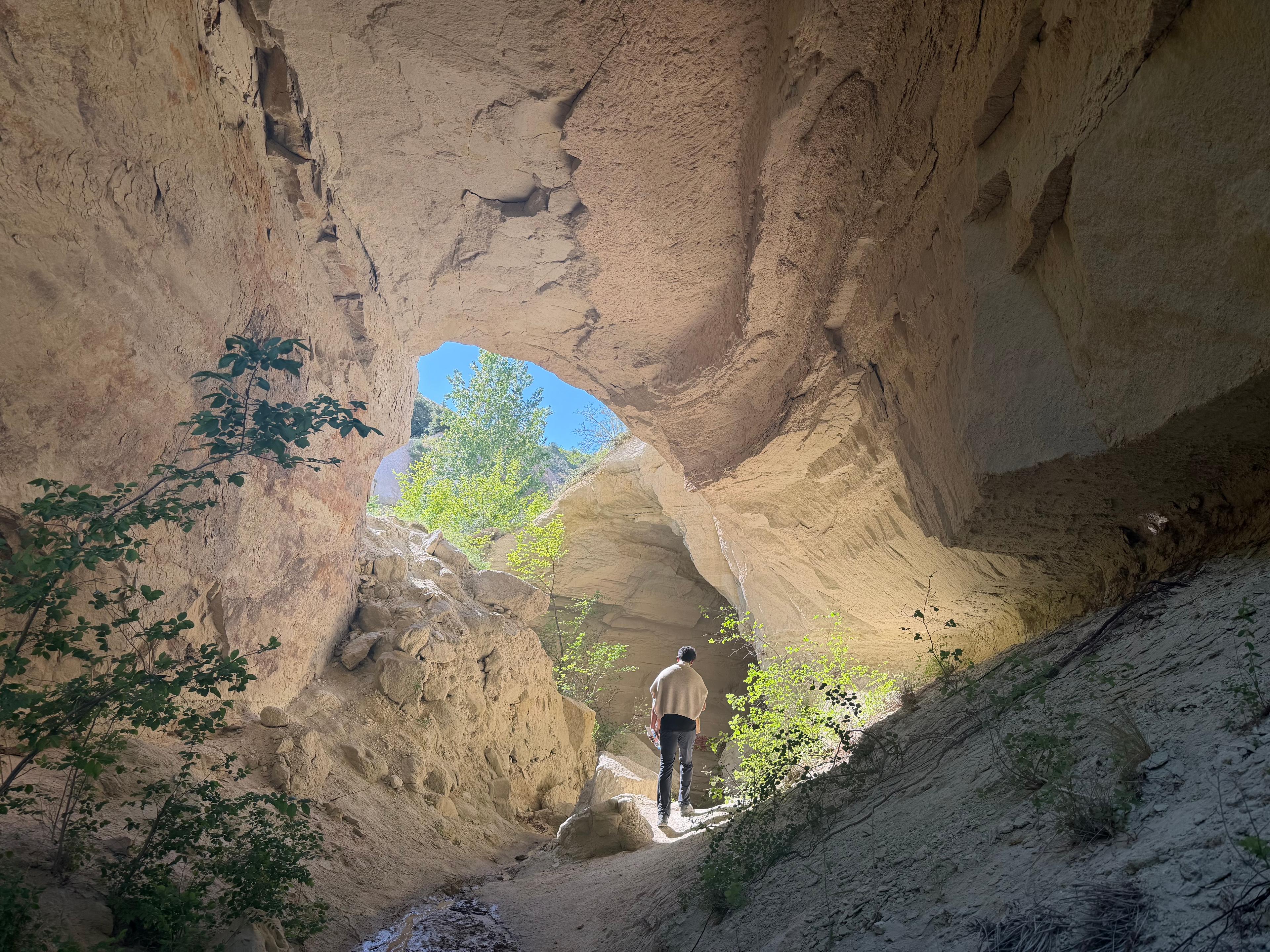

Rose Valley. Red Valley. The Göreme Loop. Miles of trails winding between stone towers and hidden cave churches. Sometimes we’d go an hour without seeing anyone. Sometimes we’d stumble into rooms carved directly into the rock centuries ago.

The conversations during those hikes, more moments romanticizing life during this pre-honeymoon honeymoon. Future homes. Future children. Goals. Fears. Things we wanted to improve about ourselves.
Our travels unsurprisingly have a way of continually creating space for those discussions. Which made our final day feel special.
After eight days of hostel life, interrupted sleep, my curtain being opened by strangers in the middle of the night (who does this??), and Ali’s late-night philosophy sessions, Amanda and I checked into a cave hotel.
For twenty-four hours, we had our own space. A huge bed. Stone walls. A quiet courtyard. A bathroom that felt impossibly luxurious after weeks of hostels.
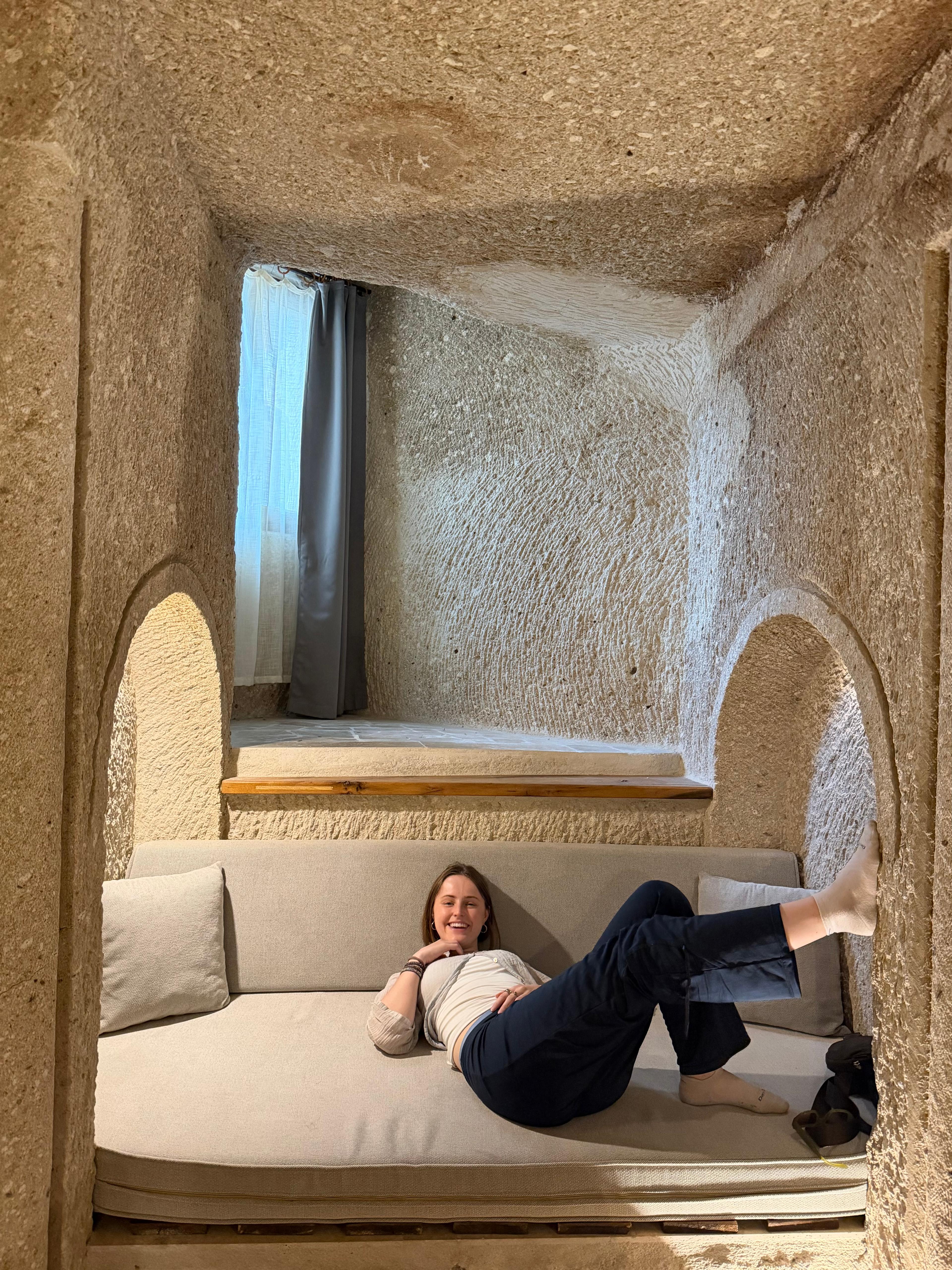
Nothing dramatic happened. We showered. Shared wine. Worked on our hobbies. Ate pastries. Enjoyed the simple luxury of closing a door and knowing nobody would open it unexpectedly. It felt like exhaling.
Looking back, what surprises me is how wrong our expectations were. We arrived expecting a tourist circus. and don’t get me wrong - in high season, holidays, and times where a war in a neighboring country isn’t ongoing, it would certainly get the way.
But that’s not the Cappadocia we found. We found peaceful hikes, strange friendships, kind strangers, unforgettable meals, quiet mornings, and valleys that looked even more impossible up close than they did in photographs. Cappadocia did not feel like a place we were herded through. For eight days, it felt calm, odd, generous, and full of small surprises.
And when it was finally time to leave, I realized something. The hardest part about travel isn’t deciding where to go next. It’s leaving places that turn out to be far better than you expect. So, leaving the luxury of our cave hotel, we joked about extending it for just one more night. But now, a new chapter is calling us. A chapter that we were just as excited for if not more. One that will open us to more middle eastern influences, slower life, deeper local hospitality, and dare I say… even more delicious food? Gaziantep, Turkeys food capital, here we come!
Gallery